
UAE fuel prices for November: Will petrol rise again or start falling?
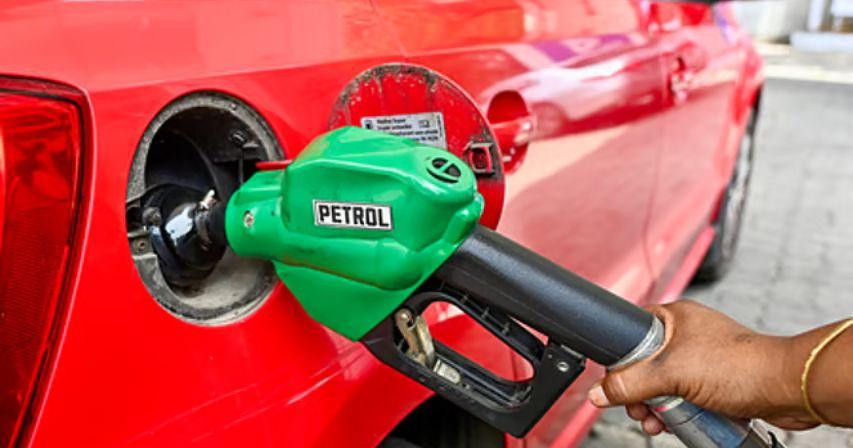
UAE motorists could face higher petrol and diesel prices in November after international oil prices climbed above $116 a barrel last week. However, a decline in crude prices on Monday offered some relief ahead of the country's monthly fuel-price review.
Brent crude, the international oil benchmark, fell 1.4% to $110.12 a barrel on Monday, while US West Texas Intermediate (WTI) dropped 1.8% to $101.37.
The decline followed a 3.1% rally on Friday, when Brent settled at $116.72 a barrel. Prices have risen from below $97 at the beginning of October amid concerns about Middle East oil supplies and shipping disruptions.
The latest movements could put upward pressure on UAE fuel prices in November. However, the final adjustment will depend on international crude and refined-product prices during the monthly pricing period.
How Much Are Motorists Paying for Fuel in October?
UAE fuel prices increased significantly in October, with all three petrol grades and diesel becoming more expensive than in September.
The current prices are:
Super 98 petrol: Dh4.40 per litre
Special 95 petrol: Dh4.28 per litre
E-Plus 91 petrol: Dh4.21 per litre
Diesel: Dh4.80 per litre
Petrol prices increased by approximately 16% from September, while diesel rose by 11.6%.
How Much Does a Full Tank Cost?
For motorists with a 60-litre fuel tank, October prices mean the following costs:
|
Fuel type |
October cost for 60 litres |
|
Super 98 |
Dh264 |
|
Special 95 |
Dh256.80 |
|
E-Plus 91 |
Dh252.60 |
A 60-litre fill of Special 95 currently costs Dh256.80, compared with Dh221.40 in September.
If November prices increase by 10 fils per litre, motorists would pay an additional Dh6 for a 60-litre fill. A 20-fils increase would add Dh12. These figures are illustrative calculations, not confirmed forecasts.
Why Are International Oil Prices Rising?
Oil prices have climbed amid concerns about the security of energy shipments from the Middle East. Shipping disruptions, attacks on vessels and risks to regional infrastructure have added uncertainty to global supply.
The Strait of Hormuz remains a key concern because of its importance to international oil transportation.
Although Gulf producers have restored significant export volumes through alternative routes and operational adjustments, uncertainty over shipping and supply continues to influence market prices.
Higher Shipping Costs Add Pressure on Oil Markets
Rising transportation costs are adding to the pressure on oil prices.
Goldman Sachs estimates that average global oil transportation costs have increased from approximately $3 per barrel last year to more than $20. Rates on some Middle East routes have reached $35 per barrel.
The bank has warned that prolonged shipping disruptions could keep crude prices above its baseline forecast of $90 a barrel by the end of 2026.
Higher freight costs can increase the expense of moving oil to international markets, adding another factor for traders and energy companies to consider.
Could Recovering Gulf Oil Exports Limit Fuel Price Increases?
Despite ongoing supply concerns, recovering exports from Gulf producers could help moderate the pressure on crude prices.
Shipping data indicate that producers have restored significant export volumes by adjusting operations and using alternative routes. These developments have helped offset some of the disruption.
Monday's decline in Brent and WTI prices also provided some relief after the previous week's sharp gains.
However, the outlook remains uncertain as traders continue to monitor developments in the Middle East, shipping conditions and global oil supplies.
What Can UAE Motorists Expect in November?
UAE petrol and diesel prices could increase again in November if international oil and refined-product prices remain elevated during the monthly pricing period.
Continued shipping disruptions and higher transportation costs could support further increases. On the other hand, recovering Gulf exports and a sustained decline in crude prices could limit the size of any adjustment.
The final November fuel prices have not yet been confirmed. Motorists will need to wait for the official announcement at the end of October to know whether petrol and diesel prices will rise, fall or remain unchanged.
By: Simran



Comments