
Why More People Are Using Guava Leaves Beyond the Fruit
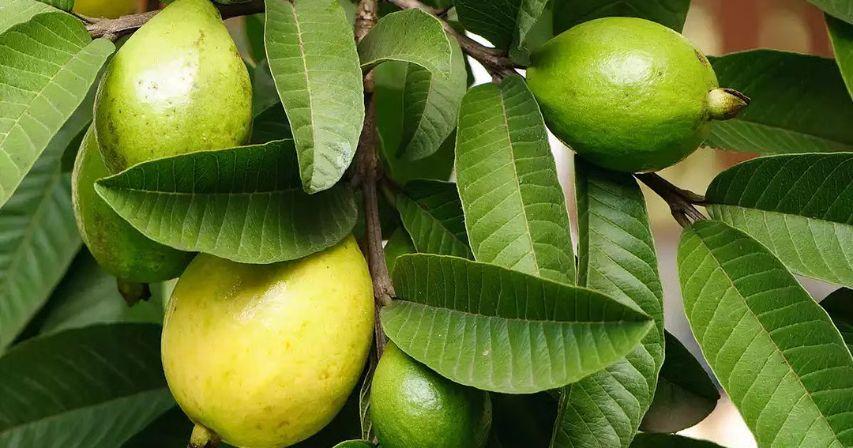
Most people think of guava for its fragrant fruit, but the leaves of the guava tree (Psidium guajava) have also been used for generations in traditional medicine and as herbal tea. That interest is now extending beyond folk practice as researchers examine the leaves for polyphenols, flavonoids and other bioactive compounds.
The key point, however, is that promising laboratory or small clinical findings do not automatically make guava leaves a treatment for disease.
What is in guava leaves?
Guava leaves contain several plant compounds, including flavonoids such as quercetin as well as tannins and other phenolic compounds. These substances are being studied for antioxidant, antimicrobial and metabolic effects. Much of the research has used concentrated extracts, laboratory models or animal studies rather than a typical cup of homemade tea, so the strength of any real-world benefit can vary.
Potential benefits researchers are studying
1. May help moderate the rise in blood sugar after meals
Some small human studies of standardized guava leaf tea or aqueous extracts have reported a lower post-meal glucose rise. Researchers have linked this in part to inhibition of alpha-glucosidase, an enzyme involved in carbohydrate digestion. The evidence is interesting, but guava leaf tea should not replace diabetes medication or a clinician-approved eating plan.
2. Traditional use for digestive upset
Guava leaf preparations have a long history of use for loose stools and stomach discomfort. Reviews have identified limited clinical evidence suggesting that guava leaf preparations may shorten some symptoms of acute diarrhoea, but the studies are not strong enough to treat the leaves as a substitute for oral rehydration or medical care when symptoms are severe, persistent or accompanied by fever or blood.
3. Antioxidant activity
Laboratory research shows that guava leaves contain antioxidant compounds capable of neutralising reactive molecules in test systems. That does not mean drinking guava leaf tea will “detox” the body or prevent disease, but it does help explain why the plant continues to attract scientific interest.
4. Possible oral-health applications
Guava leaf extracts have been studied for antimicrobial activity against bacteria associated with plaque and gum problems. A few small studies have tested guava-based mouth rinses, with mixed or preliminary results. Good brushing, flossing and professional dental care remain the essentials.
5. Early research on cholesterol and metabolic health
Older small studies of commercial guava leaf tea reported changes in some cholesterol and metabolic markers in selected participants. These findings need to be interpreted cautiously because study sizes were small and products were standardised; they do not prove that ordinary homemade guava leaf tea will produce the same effect.
Important: “Natural” does not mean risk-free. Evidence for guava leaves is still limited, and many studies use extracts that are not equivalent to home-brewed tea.
How guava leaf tea is commonly prepared
A simple preparation uses thoroughly washed fresh guava leaves or a food-grade dried guava leaf tea product. The leaves are steeped in hot water, then strained before drinking. Avoid using leaves that may have been exposed to pesticides, road pollution or unknown chemical treatments.
|
Simple preparation |
|
|
Leaves |
3–5 clean fresh leaves, or follow the label for dried tea |
|
Water |
About 250–300 ml |
|
Method |
Steep in hot water for 5–10 minutes, strain, and drink unsweetened if preferred. |
Who should be cautious?
• People taking medicines that lower blood sugar should discuss regular guava leaf use with a healthcare professional, because an additional glucose-lowering effect could complicate treatment.
• Do not use herbal tea as a replacement for prescribed medication, oral rehydration during significant diarrhoea, or professional dental care.
• If you are pregnant, breastfeeding, have a chronic medical condition, or plan to use concentrated guava leaf supplements, seek medical advice first because safety data for high-dose or long-term use are limited.
• Stop using it and seek medical advice if you develop an unexpected reaction.
The bottom line
Guava leaves are more than a by-product of the fruit tree: they contain a range of biologically active plant compounds and have a long history of traditional use. The strongest human evidence so far is still limited and relates mainly to standardised preparations studied for post-meal blood sugar and digestive symptoms. For most people, guava leaf tea is better viewed as an occasional herbal drink rather than a proven medical remedy.

Comments