
6 Forgotten Village Foods That Were Naturally High in Protein
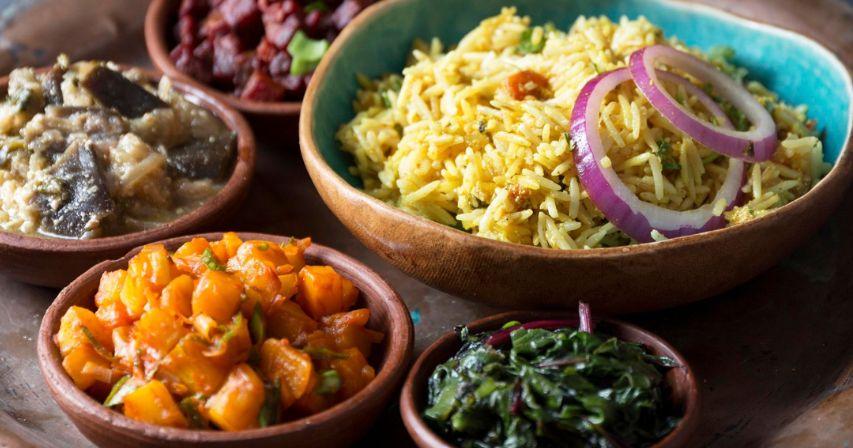
Protein bars, shakes and fortified snacks may dominate today’s health conversation, but traditional village kitchens were already using everyday foods to add protein to meals. Across India, roasted pulses, sprouts, peanuts, curd and lentil-based dishes were valued because they were affordable, filling, easy to prepare and suited to daily life.
Many of these foods are still available today, yet they are sometimes overlooked in favour of packaged options. Here are six traditional foods worth bringing back to the table.
1. Sattu
Sattu, especially the version made from roasted Bengal gram, has long been a practical staple in parts of India. It can be mixed with water, lemon and salt for a savoury drink, used as a filling in parathas, or added to simple meals. Because it is made from roasted gram, it naturally contributes plant protein along with fibre and carbohydrates. Its biggest advantage is convenience: it stores well and can be prepared with very little cooking.
2. Roasted Chana
Roasted chana is one of the simplest traditional snacks. It is portable, inexpensive and requires no cooking before eating. For people working long hours in fields or travelling, a handful of roasted gram offered a filling snack with plant protein and fibre. Even today, it remains a useful alternative to heavily processed snack foods, especially when eaten without excessive salt or added flavouring.
3. Sprouted Moong
Sprouted moong combines the benefits of a pulse with the freshness of a raw or lightly cooked snack. It can be eaten with chopped onion, tomato, lemon and herbs, or briefly steamed and seasoned. Moong naturally provides plant protein, while sprouting also changes the texture and makes it easy to use in salads and quick meals. It is a good example of how traditional kitchens used simple preparation methods to make everyday ingredients more versatile.
4. Peanuts
Peanuts have long been an affordable source of energy and plant protein. They can be roasted, boiled, ground into chutneys, or combined with jaggery in traditional snacks. In addition to protein, peanuts contain mostly unsaturated fats, which makes them filling. Because they are calorie-dense, portion size matters, but a small serving can be a practical snack for many people.
5. Thick Curd
Curd has been part of Indian meals for generations. A bowl of thick curd served with rice, roti or vegetables adds protein while also bringing a cooling, creamy element to the meal. The exact protein content depends on how the curd is prepared and how much water it contains. Thicker strained varieties generally contain more protein per serving than thinner curd. Choose plain versions when possible to avoid unnecessary added sugar.
6. Moong Dal Chilla
Moong dal chilla turns soaked lentils into a simple, protein-containing breakfast or light meal. The dal is soaked, ground into a batter and cooked on a hot tawa, often with onion, chilli, coriander or other vegetables. Unlike many refined-flour breakfasts, the main ingredient is a pulse, making the dish naturally more protein-forward and filling. It can be paired with curd or chutney for a balanced meal.
Why These Traditional Foods Still Matter
What makes these foods interesting is not only their protein content. Most are familiar, affordable and easy to fit into everyday meals. They also show that a protein-rich diet does not have to depend entirely on expensive supplements or packaged products.
Traditional diets often relied on variety rather than one single “superfood.” Pulses, dairy, nuts, grains and vegetables were eaten together, helping create meals with a broader range of nutrients.
For people trying to increase protein intake, the practical lesson is simple: start with foods you can eat regularly. A glass of sattu, a handful of roasted chana, a bowl of curd or a moong dal chilla can be easy additions to a balanced diet.
Easy Ways to Add Them to Your Diet
• Use sattu in a savoury drink or as a filling for parathas.
• Keep roasted chana or peanuts as a simple travel or office snack.
• Add sprouted moong to salads, chaat or lightly cooked stir-fries.
• Serve plain thick curd alongside lunch or dinner.
• Prepare moong dal chilla for breakfast and add vegetables to the batter.
• Rotate these foods instead of relying on the same protein source every day.
The Bottom Line
Modern nutrition trends often make protein sound complicated, but many traditional Indian foods have been contributing meaningful amounts of protein for generations. Sattu, roasted chana, sprouted moong, peanuts, thick curd and moong dal chilla are simple examples that remain relevant today.
They are not miracle foods, and no single item can replace a balanced diet. But when combined with vegetables, whole grains, fruits and other nutrient-rich foods, they can be part of an affordable and practical approach to everyday nutrition.
By: simran

Comments