
8 Common Causes of Hair Fall and How to Care for Your Hair
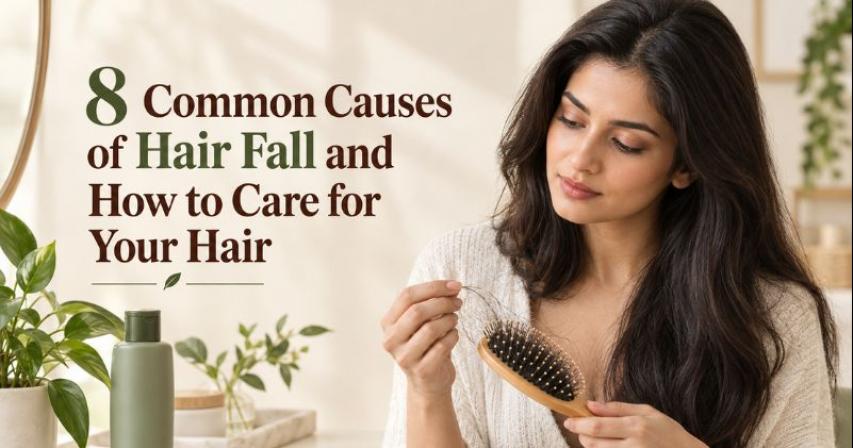
Hair fall is a common concern that affects people of different ages. Finding a few strands on your pillow, in the shower or on your hairbrush is usually normal. However, excessive shedding or noticeable thinning may indicate an underlying issue that needs attention.
Several factors can contribute to hair fall, including stress, nutritional deficiencies, hormonal changes and improper hair care. Understanding these causes can help you take better care of your hair and scalp.
1. Nutritional Deficiencies
Your hair needs adequate nutrients to grow and remain healthy. Low levels of iron, insufficient protein intake and certain vitamin deficiencies can contribute to hair shedding.
Include foods such as eggs, lentils, leafy green vegetables, nuts, seeds and dairy products in your diet. If you suspect a deficiency, consult a healthcare professional before taking supplements.
2. Stress and Lack of Sleep
Physical or emotional stress can disrupt the hair growth cycle and cause increased shedding. This type of hair loss may become noticeable a few months after a stressful event.
Regular exercise, relaxation techniques and sufficient sleep can support overall health. If hair fall continues, seek medical advice to identify possible contributing factors.
3. Hormonal Changes
Hormonal fluctuations during pregnancy, after childbirth, menopause or certain thyroid conditions can affect hair growth.
Some people also experience hereditary hair thinning influenced by hormones. If you notice sudden or persistent changes in hair density, a healthcare professional can help determine the cause and recommend appropriate treatment.
4. Excessive Heat Styling
Frequent use of straighteners, curling irons and hot blow dryers can weaken hair strands and cause breakage.
To protect your hair, reduce the frequency of heat styling, use a heat-protectant product and choose lower temperature settings. Allowing your hair to air-dry when possible can also help reduce damage.
5. Tight Hairstyles
Regularly wearing tight ponytails, braids or buns can place excessive tension on hair follicles. Over time, this may lead to traction alopecia, a type of hair loss caused by repeated pulling.
Choose loose hairstyles, avoid pulling your hair tightly and give your scalp regular breaks from styles that create tension.
6. Harsh Hair Products and Chemical Treatments
Frequent bleaching, colouring, chemical straightening and the use of harsh products can damage the hair shaft, leaving strands dry and brittle.
Choose products suited to your hair type and avoid excessive chemical treatments. Stop using any product that causes irritation, itching or redness.
7. Scalp Conditions
Dandruff, inflammation and certain scalp infections can affect scalp health and sometimes contribute to hair loss.
Wash your scalp regularly with a suitable shampoo and avoid scratching irritated areas. If you experience persistent itching, redness, scaling or bald patches, consult a dermatologist for proper diagnosis and treatment.
8. Genetics and Ageing
Hereditary hair loss is one of the most common causes of gradual hair thinning in both men and women. Ageing can also change hair thickness, density and growth patterns.
Although genetics cannot be changed, treatments may help slow certain types of hair loss. Early consultation with a dermatologist can help you understand your options.
Simple Tips to Care for Your Hair
A consistent hair care routine can help reduce breakage and support healthy hair.
Eat a balanced diet with enough protein, iron and other essential nutrients.
Wash your hair according to your scalp's needs.
Use conditioner to reduce tangling and breakage.
Limit heat styling and harsh chemical treatments.
Avoid tight hairstyles that pull on the roots.
Manage stress and maintain a regular sleep schedule.
Handle wet hair gently and avoid aggressive brushing.
When Should You See a Doctor?
Some daily hair shedding is normal, but sudden, excessive or persistent hair loss deserves attention. Consult a dermatologist if you develop bald patches, scalp pain, inflammation or noticeable thinning.
A healthcare professional can assess possible causes, including nutritional deficiencies, hormonal changes and medical conditions, before recommending treatment.
Conclusion
Hair fall can result from several factors, from everyday styling habits to genetics and underlying health conditions. Following a balanced diet, protecting your hair from damage and maintaining good scalp hygiene can help keep your hair healthier.
However, the most effective approach depends on the cause. If hair loss continues or worsens, seeking professional advice is the best way to find an appropriate solution.
By: Simran



Comments