
Kidney Stones: Symptoms, Treatment and Prevention
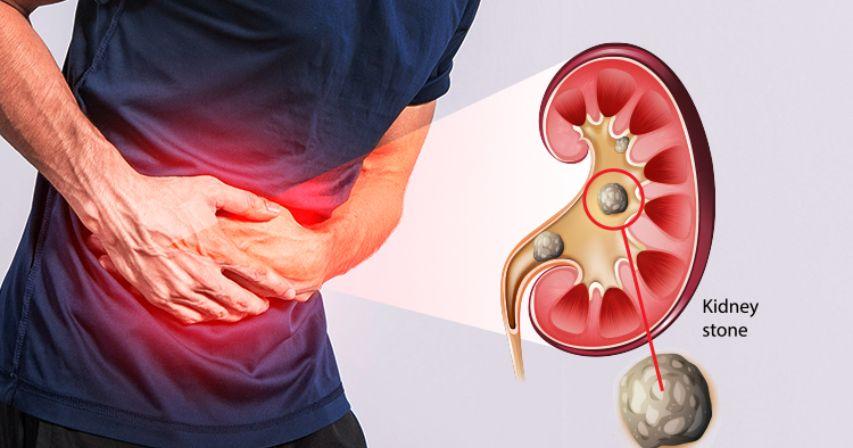
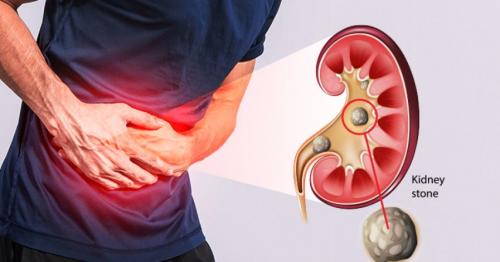
Kidney stones are hard, pebble-like deposits that form when certain minerals and salts become concentrated in the urine. Some stones remain small and pass with little trouble, while others can become lodged in the urinary tract and cause intense pain, bleeding or blockage. Treatment depends on the stone’s size, location, composition and whether complications such as infection or obstruction are present.
Common symptoms of kidney stones
Symptoms often begin when a stone moves within the kidney or enters a ureter, the narrow tube carrying urine from the kidney to the bladder. The pain can shift as the stone moves.
• Sharp or severe pain in the side or back, often below the ribs
• Pain that may spread to the lower abdomen or groin
• Pain that comes in waves and changes in intensity
• Pink, red or brown urine, which can indicate blood in the urine
• Pain or burning while urinating
• A frequent or urgent need to urinate, sometimes with only small amounts passed
• Cloudy or foul-smelling urine
• Nausea or vomiting
• Fever and chills, especially when an infection is present
When kidney stones need urgent medical attention
Seek prompt medical care for severe or persistent symptoms. Urgent assessment is particularly important if severe pain occurs with fever or chills, repeated vomiting, blood in the urine, or difficulty passing urine. A stone that blocks urine flow can damage the kidney, and an infected blocked urinary system can become a medical emergency.
How kidney stones are diagnosed
A healthcare professional may use your symptoms and medical history together with urine tests, blood tests and imaging. Imaging can help show the stone’s size and location and whether it is blocking urine flow. If a stone is passed or removed, laboratory analysis can identify what it is made of and help guide prevention.
How kidney stones are treated
Treatment varies widely. Many small stones can pass through the urinary tract without a procedure. Larger stones, stones that cause severe pain, stones that block urine flow or stones associated with infection may need urgent treatment.
For smaller stones
• Fluids may be recommended when it is safe for the patient to drink normally.
• Pain-relieving medicine may be used under medical guidance.
• Some patients may be prescribed medication intended to help the ureter relax and allow a stone to pass more easily.
• Patients may be asked to strain or collect the stone so it can be analysed.
Procedures used for larger or difficult stones
• Shock wave lithotripsy: uses focused shock waves to break a stone into smaller fragments that can pass in the urine.
• Ureteroscopy: uses a thin scope passed through the urinary tract to locate a stone, which can then be removed or broken into smaller pieces.
• Percutaneous nephrolithotomy: removes larger kidney stones through a small incision in the back and is generally performed in hospital.
• Ureteral stent: may be placed temporarily to help urine drain or to support passage after treatment.
What causes kidney stones?
Stones form when substances such as calcium, oxalate, uric acid or other minerals become concentrated enough to crystallise. Risk is influenced by fluid intake, diet, family history, certain medical conditions, some medicines and the specific type of stone a person forms. Calcium stones are the most common, but uric acid, struvite and cystine stones also occur.
Can kidney stones be prevented?
Prevention is especially important for people who have already had a stone, because the best strategy depends on the type of stone and the person’s urine chemistry. General measures commonly include the following:
Drink enough fluids. Water is usually the preferred choice. Adequate fluid keeps urine more dilute, reducing the chance that stone-forming minerals will concentrate. People who sweat heavily in hot weather or during exercise may need more fluid. Those with kidney, heart or other conditions requiring fluid restriction should follow their clinician’s advice.
Reduce excess sodium. High sodium intake can increase the amount of calcium in urine in susceptible people. Cutting back on heavily salted, packaged and highly processed foods may help.
Do not automatically cut calcium. For many people with calcium oxalate stones, normal dietary calcium is preferable to unnecessary calcium restriction. Calcium from food can bind oxalate in the gut. Individual advice may differ, particularly for supplements.
Adjust oxalate only when appropriate. People with calcium oxalate stones may be advised to moderate high-oxalate foods such as spinach, rhubarb, wheat bran and some nuts, depending on their medical assessment.
Moderate animal protein when advised. Higher intakes of some animal proteins can increase risk in certain stone-formers, including people prone to uric acid stones.
Follow the plan for your stone type. A doctor or dietitian may recommend a 24-hour urine test, specific dietary changes or preventive medicines such as potassium citrate, a thiazide-type diuretic or other treatment depending on the cause.
A note about lemon water and citrus drinks
Citrate can help prevent some crystals from growing into stones, and citrus drinks contain citrate. However, sugary drinks add excess calories and are not a substitute for an individual prevention plan. Water remains the simplest main drink for most people unless a healthcare professional advises otherwise.
The bottom line
Kidney stones are common and can be extremely painful, but treatment is effective in most cases. Severe pain, fever, chills, vomiting, blood in the urine or trouble urinating should not be ignored. After a stone is passed or treated, identifying the stone type and reviewing diet, fluid intake and urine chemistry can help reduce the chance of another episode.

Comments