
Chia Seeds vs Sabja Seeds for Weight Loss: Which One Should You Choose?
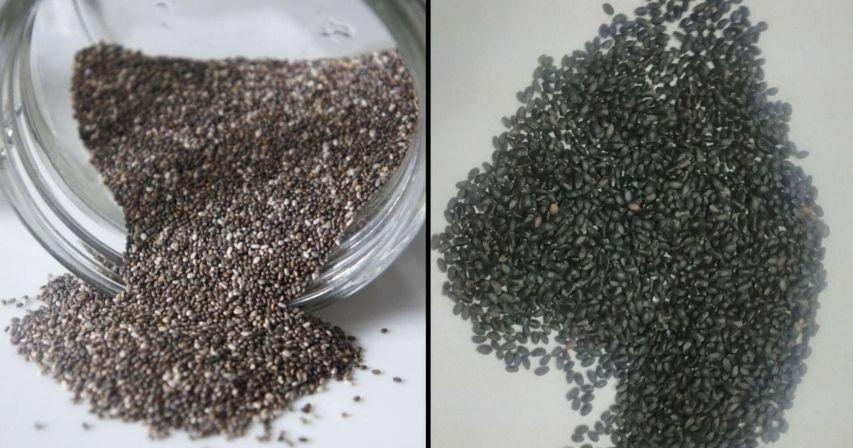
Why these two seeds are often compared
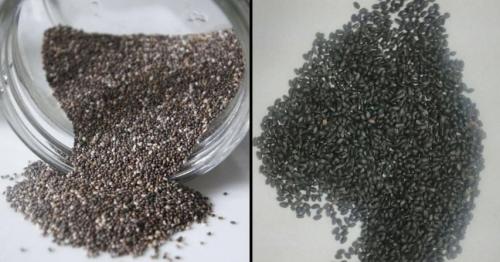
Chia seeds and sabja seeds look similar after soaking because both develop a gel-like outer layer. That texture, combined with fibre, can make meals and drinks feel more filling. But the two seeds come from different plants and should not be treated as identical foods.
Chia seeds come from Salvia hispanica, a plant native to Mexico and Guatemala. Sabja seeds — also called sweet basil, falooda or tukmaria seeds — come from Ocimum basilicum. Sabja has a long history in South Asian drinks and desserts, while chia has become widely used in yoghurt, oats, smoothies and puddings.
Chia vs sabja: key differences at a glance
|
Feature |
Chia seeds |
Sabja seeds |
|---|---|---|
|
Plant |
Salvia hispanica |
Ocimum basilicum (sweet basil) |
|
Texture after soaking |
Forms a soft gel around the seed |
Forms a thicker translucent coating quickly |
|
Notable nutrition |
Fibre, protein, plant omega-3 ALA, minerals |
Fibre, plant fats, minerals and phenolic compounds; values vary by variety and source |
|
Typical uses |
Oats, yoghurt, pudding, smoothies, baking |
Falooda, lemonade, milk drinks and other soaked beverages |
|
Weight-loss evidence |
No consistent evidence that chia alone causes significant weight loss |
Direct human evidence for weight loss is limited |
How can either seed support weight management?
The main advantage is not “fat burning.” It is satiety. Fibre absorbs water, adds bulk and can slow digestion, which may help some people stay satisfied between meals. Harvard’s Nutrition Source notes that the fibre and mucilage in chia can slow digestion and promote fullness. More broadly, fibre-rich diets are associated with better appetite and blood-sugar regulation.
That does not mean adding seeds to an unchanged diet will automatically reduce body weight. Controlled human trials and reviews have not consistently shown that chia supplementation by itself produces meaningful weight loss. For sabja, the evidence base is smaller, so strong weight-loss claims are even harder to justify.
Where chia seeds may have an advantage
• Plant omega-3s: Chia is a rich source of alpha-linolenic acid (ALA), an essential omega-3 fat that the body cannot make on its own.
• Well-described nutrition profile: Chia has been studied more extensively and is recognised as a source of fibre, protein, unsaturated fats, calcium, phosphorus and zinc.
• Versatility: Its mild flavour makes it easy to add to yoghurt, overnight oats, porridge, smoothies and puddings without changing the taste much.
Where sabja seeds may fit well
• Traditional drink use: Sabja hydrates rapidly and is commonly used after soaking in beverages such as falooda, lemon water and milk-based drinks.
• Fibre-rich texture: Reviews of basil seeds describe both soluble and insoluble fibre along with protein, minerals, plant fats and phenolic compounds.
• A practical local option: In South Asian diets, sabja can be an easy way to add texture and fibre to drinks without needing a special recipe.
So, which one is better for weight loss?
There is no evidence-based reason to declare a universal winner. If you want a seed with a broader established nutrient profile — especially plant omega-3 ALA — chia is a strong choice. If you prefer a traditional soaked seed for drinks and enjoy its texture, sabja can also fit into a balanced diet.
For actual fat loss, the more important question is whether the food helps you maintain a sustainable calorie deficit while still meeting your protein, fibre, micronutrient and overall dietary needs. Seeds can support that plan, but they do not replace it.
Best ways to use them
Chia: Stir 1–2 teaspoons into yoghurt, oats or a smoothie, or soak it in liquid until a gel forms. Chia can also be used in puddings and baking.
Sabja: Soak the seeds in plenty of water until a clear gel coating develops, then add them to water, lemonade, buttermilk or other drinks.
Safety and portion tips
• Start with a small amount if you are not used to high-fibre foods. Increasing fibre too quickly can cause gas, bloating or abdominal discomfort.
• Consume the seeds with adequate fluid. Because they swell when exposed to liquid, eating large amounts dry is not a good idea, especially for anyone with swallowing problems.
• If you take medicines for diabetes, blood pressure or blood thinning, or if you have a gastrointestinal condition, ask a qualified clinician or dietitian before making large daily changes to seed intake.
• Seeds are nutrient-dense. More is not necessarily better; portion size still matters in a calorie-controlled diet.
The bottom line
Chia and sabja seeds can both be useful additions to a balanced diet because they provide fibre and develop a filling gel when soaked. Chia has a clearer nutritional advantage for plant omega-3 ALA and has been studied more extensively, but current evidence does not support treating either seed as a stand-alone weight-loss solution. Choose the one you enjoy and can use consistently — or rotate both — while focusing on the bigger factors that drive healthy weight management.
Comments