
UAE fuel prices in November: Oil hits $110 amid Middle East war fears
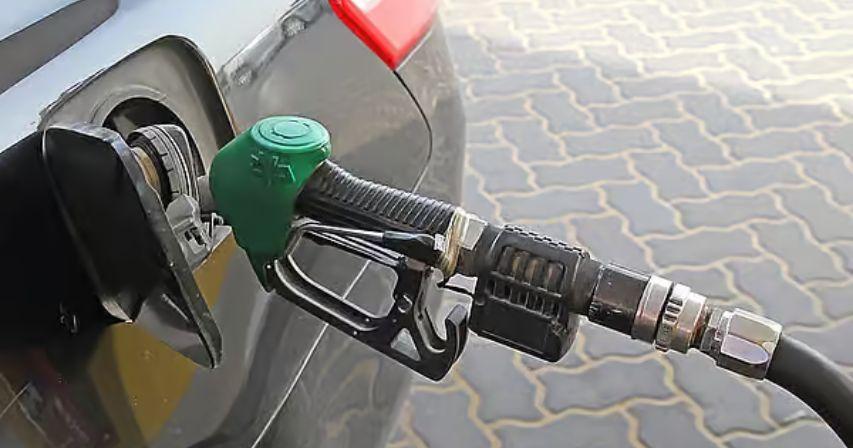
Oil prices continued to rise on Wednesday morning, with Brent crude surpassing $110 a barrel amid concerns over Middle East supply disruptions and declining US inventories.
Brent crude traded at $110.40 a barrel, up 1.37%, while West Texas Intermediate (WTI) reached $99.16, gaining 1.47%.
Oil prices have remained higher during the first three weeks of October compared with the same period in September, largely due to concerns over the ongoing conflict in the Middle East.
UAE Petrol Prices Hit a Four-Year High in October
Fuel prices in the UAE climbed to their highest levels in more than four years in October following the rally in global oil markets.
The prices of Super 98, Special 95 and E-Plus 91 petrol increased by Dh0.60 per litre, or around 16%, compared with September.
The current UAE petrol prices are:
Super 98: Dh4.40 per litre, up from Dh3.80 in September.
Special 95: Dh4.28 per litre, up from Dh3.69 in September.
E-Plus 91: Dh4.21 per litre, up from Dh3.61 in September.
The increases reflect the impact of rising global oil prices on the UAE's domestic fuel market.
UAE to Announce November Fuel Prices on October 31
The UAE revises retail fuel prices at the end of every month to reflect movements in global oil markets.
The UAE Fuel Price Committee is scheduled to announce petrol prices for November 2026 on October 31. The final rates will depend on oil price movements during the remainder of October and other relevant factors.
December Brent crude contracts averaged around $104.70 a barrel during the first three weeks of October, compared with $101.37 over the same period in September.
The continued rise in crude prices could influence the next fuel price revision, although the final November rates have not yet been announced.
Iran-US Tensions Add Pressure to Oil Markets
Geopolitical tensions have added to concerns about global oil supplies. Prices rose after Iran reportedly told Pakistan's army chief, Asim Munir, that it would not hold talks with the United States until its demands were met, according to Iranian media outlet Nournews on Tuesday.
The developments have raised concerns among market participants about the potential for further disruption to energy supplies from the region.
Maritime security risks have also intensified across key oil shipping routes.
Ship-tracking firm Kpler reported on Monday that at least 18 vessel attacks had been recorded over the previous two weeks.
Meanwhile, analysts at LSEG warned that Iran was targeting tankers beyond the Strait of Hormuz, extending the risks into the Gulf of Oman.
These developments threaten Gulf crude oil loadings and ship-to-ship transfers that support regional oil exports.
With geopolitical tensions continuing and maritime risks increasing, global oil markets remain sensitive to further supply disruptions. The direction of crude prices in the coming days may also influence the UAE's next monthly petrol price announcement.
By: simran



Comments