
Dubai’s Al Satwa set for major makeover: New rules allow buildings up to 8 floors
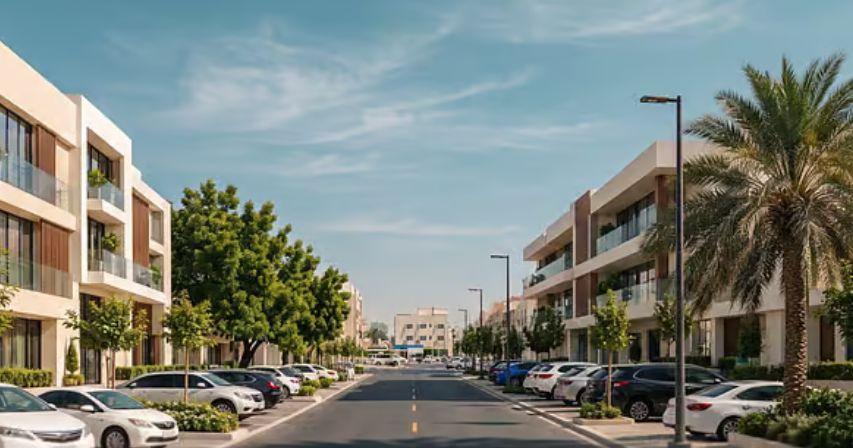
Property owners and investors in Dubai's Al Satwa could benefit from new redevelopment opportunities following updated planning regulations introduced by Dubai Municipality. The revised rules allow taller buildings, mixed-use developments and greater flexibility in land utilisation, opening new possibilities for residential and commercial projects.
The changes aim to make better use of available land, attract property investment and support the neighbourhood's future growth while preserving its existing urban character.
New Building Regulations for Al Satwa
Under the updated planning framework, property owners have more options for developing their plots depending on their location, size and characteristics.
Plots along internal roads can now accommodate a ground floor and two additional floors of residential apartments. This replaces the previous framework, which mainly permitted attached villas.
Properties located along external roads have also received additional development options. These include:
A commercial ground floor with two residential floors above.
A commercial ground floor with three residential floors above, depending on the location and applicable planning requirements.
The changes provide greater flexibility for landowners looking to redevelop existing properties or explore new investment opportunities.
Larger Plots Can Accommodate Up to Eight Floors
One of the major highlights of the revised regulations is the additional development potential available for plots measuring 1,000 square metres or more.
Eligible landowners can benefit from permission to construct a ground floor and eight additional floors for residential apartments, with a floor area ratio (FAR) of up to 3.5.
Property owners can meet the minimum land requirement through an existing plot or by combining two or more smaller neighbouring plots.
They can also incorporate access lanes between plots, subject to approved procedures and applicable requirements.
This incentive encourages owners of smaller properties to consolidate their land and create larger development sites. It could also support more integrated residential projects and improve the overall use of available land.
Dubai Municipality Focuses on Sustainable Urban Development
Eng. Mansour Al Rais, Director of the Executive Planning Department at Dubai Municipality, said the updated regulations form part of the municipality's efforts to support the development of existing urban neighbourhoods.
He explained that the revised framework aims to provide greater flexibility for property owners and investors while ensuring that future developments remain aligned with Al Satwa's existing character.
The municipality also aims to encourage more efficient land use and create opportunities for property redevelopment in response to changing residential and commercial requirements.
Infrastructure and Traffic Requirements Remain a Priority
Alongside the new building permissions, Dubai Municipality has considered the area's infrastructure and traffic requirements.
The municipality coordinated with relevant service authorities to assess the impact of future development on roads, essential services and infrastructure.
This approach aims to ensure that redevelopment takes place alongside the necessary improvements in public services and infrastructure.
By considering these requirements, the updated framework seeks to balance increased development opportunities with the needs of existing residents and businesses.
How Property Owners Can Access the New Regulations
The revised planning framework recognises Al Satwa's strategic location within Dubai and aims to create new opportunities for residential and commercial growth.
Property owners, investors and other interested customers can review the updated regulations and apply for relevant services through the official Build in Dubai platform.
Visit: Build in Dubai Platform
The new regulations could make Al Satwa more attractive for redevelopment and investment, particularly for owners of larger plots and those considering combining neighbouring properties.




Comments