
Abu Dhabi Hospitals Turn to AI to Give Doctors More Time with Patients
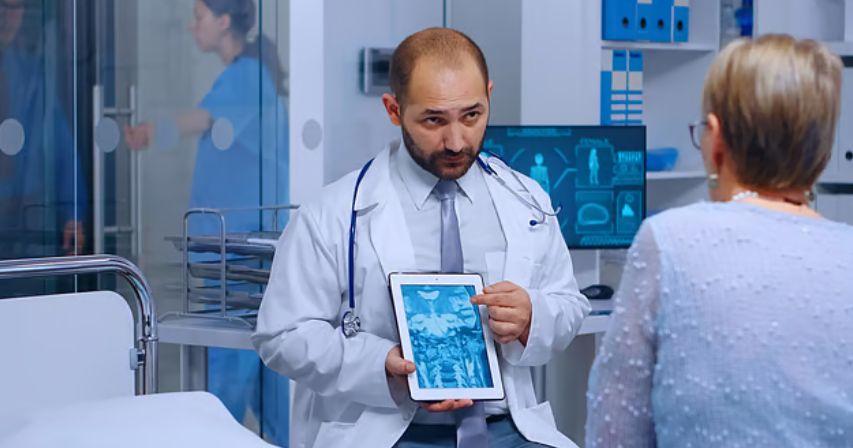
Hospitals in Abu Dhabi are increasingly adopting artificial intelligence to reduce the administrative work doctors handle during consultations.
The technology is designed to minimise time spent typing medical notes and managing documentation, allowing healthcare professionals to focus more closely on patients.
The shift was highlighted during the Future Health Summit 2026, where healthcare leaders discussed ways to improve the patient experience through digital innovation.
The initiative reflects Abu Dhabi’s wider ambition to build a more connected, efficient and patient-centred healthcare system.
AI Tools Aim to Reduce Medical Paperwork
NMC Healthcare and Burjeel Holdings are among the healthcare groups exploring AI-powered tools to simplify clinical documentation and automate routine administrative tasks.
These systems can help organise medical information and support doctors in preparing patient records more efficiently.
Rather than replacing physicians, the technology is intended to assist clinical teams and improve their workflow.
Healthcare leaders say the priority is to ensure doctors spend less time behind computer screens and more time listening to patients and discussing their treatment needs.
Patients Could Experience More Connected Care
AI-supported documentation may also help information move more smoothly between different stages of a patient’s healthcare journey.
Better-organised records could reduce repeated questions, delays and unnecessary duplication when people visit multiple services.
However, healthcare professionals remain central to diagnosis and treatment decisions, with AI serving as a support tool rather than a substitute for medical expertise.
Experts also stress the importance of building an ongoing relationship with a trusted primary care doctor and following screening recommendations suited to individual health needs.
Abu Dhabi Expands Its Digital Healthcare Ambitions
The adoption of AI forms part of Abu Dhabi’s broader investment in advanced healthcare, including genomics, precision medicine and clinical research.
Authorities and healthcare providers are working to improve access to specialist expertise and introduce innovative treatments closer to home.
These developments aim to support earlier diagnosis, more personalised care and better long-term health outcomes.
As hospitals introduce new digital systems, maintaining patient privacy, accurate medical records and strong clinical oversight will remain essential to ensuring technology delivers meaningful benefits for residents.
By: Kriti Vaid




Comments