
UAE and Gulf investors pour money into US Treasuries as yields hit 20-year high
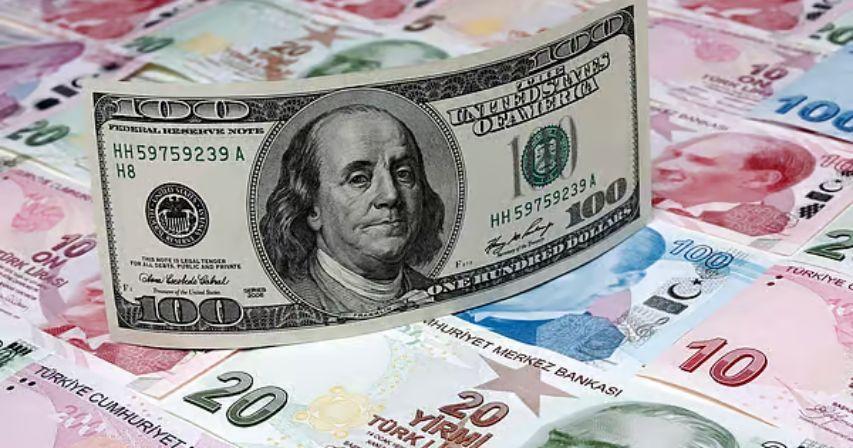
Investors across the UAE and wider Gulf region are showing growing interest in bonds as the yield on the 10-year US Treasury reaches around 5 per cent, its highest level since 2007.
Market experts said the higher yields are creating new opportunities for investors seeking stable returns. However, they also warned that geopolitical uncertainty, rising oil prices and further US interest rate hikes could increase market volatility.
Strong Demand for Higher Bond Yields
Wael Makarem, financial markets strategist lead at Exness, said there is significant global interest in bonds offering yields of around 5 per cent, including among investors in the UAE and GCC.
He noted that investors previously had limited opportunities to generate meaningful returns from bonds when global interest rates were close to zero. With 10-year US Treasury yields now around 5 per cent, investors can consider bonds as part of a diversified portfolio alongside equities and other assets.
According to Makarem, investors are looking to secure returns of between 5 and 6 per cent through A-rated bonds, while higher-risk issuers may offer additional returns.
Investors Gradually Building Positions
Ahmad Assiri, research strategist at Pepperstone, said the US Treasury market is large and highly liquid, meaning even substantial inflows from investors are unlikely to significantly move the market.
He said many investors are taking a cautious approach and gradually building their bond positions rather than investing large amounts at once.
Assiri described US Treasuries as an attractive source of income, particularly for investors in their 30s and 40s who are planning their long-term cash flows.
He also pointed out that two-year, five-year and 10-year Treasury yields are currently close to one another, creating an unusual opportunity for investors.
Geopolitical Tensions Remain a Key Risk
Higher bond yields are also being influenced by expectations of further interest rate increases as central banks continue their efforts to control inflation.
Makarem warned that continued tightening by the US Federal Reserve could cause bond prices to become more volatile. However, any progress towards peace or negotiations that leads to lower oil prices could ease inflationary pressures and reduce expectations of further rate hikes.
The Federal Reserve raised interest rates by 25 basis points in mid-September, taking its target range to 3.75 per cent to 4 per cent as it continued its efforts to contain inflation.
Investors Urged to Maintain Diversification
Ross Maxwell, chief strategy officer at VT Markets, said higher bond yields largely reflect expectations of further US rate increases and the global shift towards controlling inflation.
He highlighted several risks facing investors, including a potential escalation of geopolitical tensions in the Middle East, which could disrupt oil supplies.
He also warned that higher borrowing costs could put pressure on technology companies and infrastructure spending, while continued rate increases could weigh on global economic growth.
Market experts advised investors, including retail investors, to consider their investment time horizons and risk tolerance before increasing their exposure to bonds.
While higher Treasury yields are attracting investors seeking income, experts stressed that diversification remains important in the current uncertain environment.
Investors were also encouraged to maintain sufficient liquidity and keep some cash available. This could provide greater flexibility if financial markets face sudden volatility or new geopolitical and economic risks.




Comments