
Hormuz disruption drives up energy costs as AI fuels demand for electricity
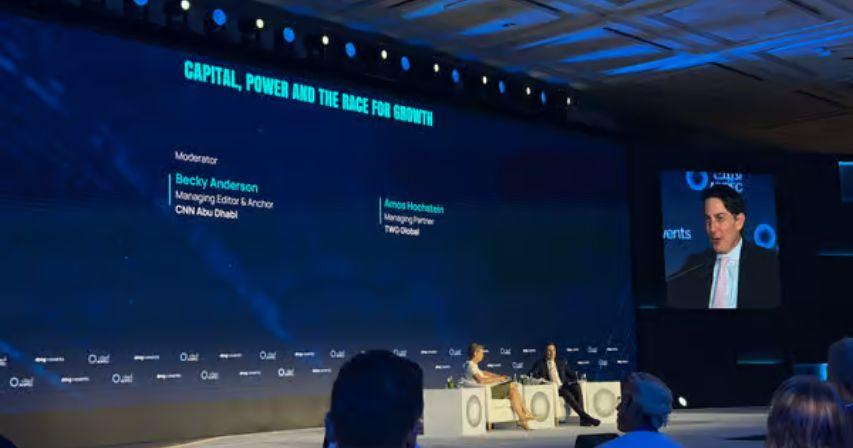
Disruptions in the Strait of Hormuz have significantly increased global energy transportation and insurance costs, while the rapid growth of artificial intelligence (AI) is placing additional pressure on electricity infrastructure.
Speaking at ADIPEC 2026 during a session titled “Capital, Power and the Race for Growth”, former US energy envoy Amos Hochstein highlighted the growing challenges facing global energy markets and electricity networks.
Hochstein, Managing Partner at TWG Global, explained that transportation and insurance costs now account for more than 30 per cent of the cost of a barrel of oil, compared with approximately 5 per cent before the conflict.
He also warned that the continued movement of energy shipments through the Strait of Hormuz does not necessarily indicate a return to normal trading conditions, as security requirements and transportation expenses remain high.
Strait of Hormuz Disruptions Increase Global Energy Costs
The disruption to shipping through the Strait of Hormuz has created additional financial pressure across global energy supply chains.
According to Hochstein, higher transportation and insurance expenses are increasing the overall cost of moving oil through the region.
He emphasised that even when shipments continue, additional security measures and operational challenges can prevent markets from returning to normal.
These developments highlight the importance of maintaining reliable energy transportation routes and strengthening global energy security.
AI Expansion Creates New Pressure on Electricity Grids
Hochstein identified electricity infrastructure as one of the biggest challenges facing the rapid expansion of artificial intelligence.
He explained that generating additional electricity is only part of the challenge. Countries must also ensure that power can be delivered efficiently through existing electricity grids to support growing demand.
The expansion of AI data centres is increasing electricity consumption, creating pressure on power infrastructure in several locations.
He also warned that rising electricity bills in areas experiencing rapid data centre development could affect public support for further AI investments.
As AI adoption accelerates, governments and energy companies will need to focus on expanding grid capacity and improving electricity distribution systems.
Hochstein described the UAE as an important partner for the United States in artificial intelligence development and adoption.
He highlighted the country's willingness to embrace emerging technologies and invest in infrastructure that supports digital transformation.
He also stressed the importance of developing reliable AI infrastructure alongside physical security measures, backup systems and operational resilience.
According to him, investments in these areas will be essential to ensuring that AI infrastructure remains reliable as demand continues to grow.
Governments Urged to Increase Infrastructure Investment
Hochstein called for greater government participation in financing strategic infrastructure projects that support energy security and economic growth.
He highlighted the importance of investments in:
Oil and gas transportation pipelines.
Electricity interconnections between regions.
Alternative energy supply routes.
Power generation and distribution infrastructure.
Advanced energy technologies.
He explained that public funding can help reduce investment risks and encourage private companies to participate in large-scale infrastructure projects.
Stronger cooperation between governments and private investors could also support the development of more reliable energy networks.
Data Centres and Advanced Nuclear Technologies Offer New Opportunities
The growing demand for electricity is creating investment opportunities in several emerging energy sectors.
Hochstein highlighted data centres, advanced nuclear technologies, small modular reactors and fusion energy as areas with significant development potential.
These technologies could play an important role in supporting future electricity requirements, particularly as AI adoption increases across industries.
However, he cautioned that higher energy prices and interest rates could make financing large infrastructure and energy projects more challenging.
The discussions at ADIPEC 2026 highlighted the growing connection between energy security, technological development and economic growth.
While disruptions in the Strait of Hormuz are increasing energy transportation costs, the rapid expansion of AI is creating new demands on electricity generation and distribution networks.
Hochstein's remarks underline the need for governments, energy companies and private investors to strengthen infrastructure, improve energy resilience and support long-term investment.
As countries continue adopting AI technologies, reliable electricity supplies and secure energy transportation routes will remain essential to sustaining future growth.





Comments