
Dubai Vehicle Impoundment Rules: Fines, Release Fees and Penalties Explained
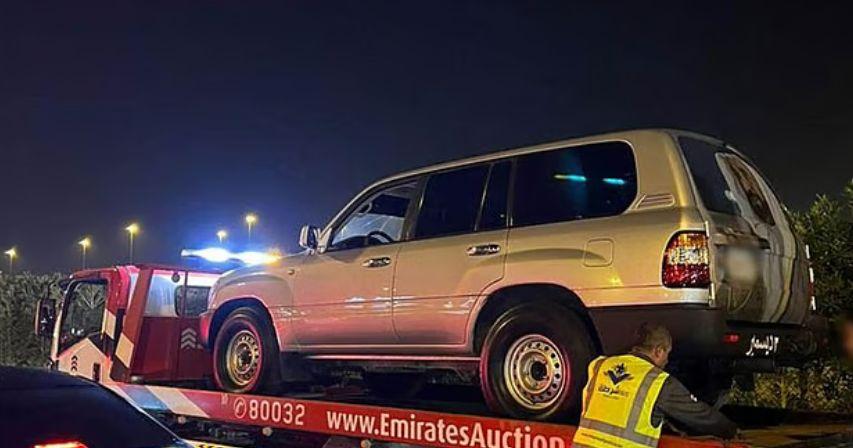
Motorists in Dubai could face substantial financial penalties if their vehicles are impounded for serious traffic violations.
Under the emirate's vehicle impoundment regulations, release fees can reach Dh100,000, depending on the offence.
The rules aim to improve road safety and discourage dangerous driving.
Drivers should understand which violations can result in vehicle seizure and the conditions for getting their cars back.
Which Traffic Violations Can Lead to Vehicle Impoundment?
Several serious offences can lead to mandatory vehicle impoundment in Dubai.
These include reckless driving, jumping a red light, using fake or obscured number plates, driving without number plates and participating in unauthorised road races.
Major vehicle modifications that increase speed or create excessive noise can also result in impoundment.
Depending on the violation, motorists may face additional fines and other penalties.
Vehicle Release Fees and Unpaid Traffic Fines
Release fees vary according to the offence, with penalties reaching Dh100,000 for participating in an unauthorised road race.
Certain serious violations carry a Dh50,000 release fee, while others require Dh10,000.
Vehicles may also be impounded when accumulated traffic fines exceed Dh6,000, with owners required to settle the outstanding fines to recover their vehicles.
These amounts are separate from any other applicable traffic penalties.
How to Recover an Impounded Vehicle in Dubai
To retrieve an impounded vehicle, owners must meet the conditions applicable to their case, which may include paying the required release fee, clearing outstanding fines and correcting the violation.
Some cases also require completion of the impoundment period or approval for early release.
Owners who fail to collect their vehicles after the impoundment period ends face an additional Dh50 daily storage charge.
Repeat impoundments within one year can lead to doubled penalties, subject to the applicable limits.
By: Kriti Vaid



Comments