
Dubai Shared Housing Rules: 5 Checks Before Renting a Bedspace
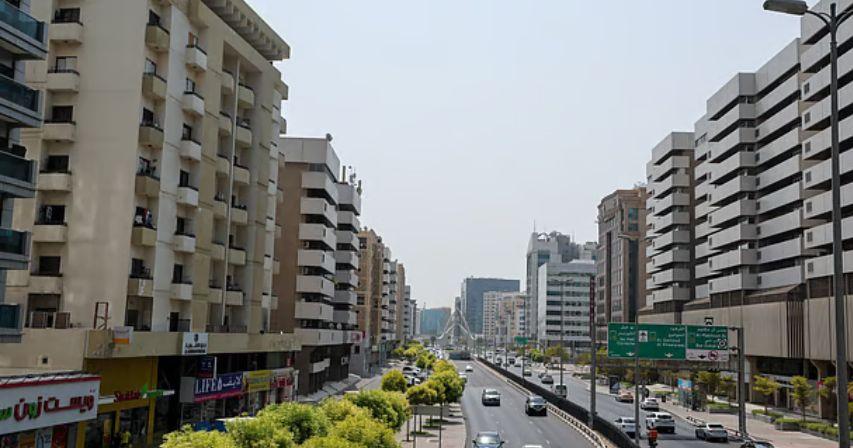
Dubai has introduced new regulations for shared accommodation to improve housing standards, ensure compliance and prevent overcrowding.
Under the updated rules, tenants should check whether a property meets the necessary requirements before paying a deposit or moving into a bedspace.
Dubai Municipality has identified more than 44 priority areas where shared accommodation may be permitted.
However, not every building or apartment within these areas is automatically approved.
Properties must also meet the relevant standards and obtain the necessary permits.
Dubai Shared Housing Rules: 5 Important Criteria to Check
1. Ensure the Location Is Approved
Areas where shared accommodation may be permitted include Al Barsha 1, Karama, Al Rigga, Al Qusais and Al Nahda.
In some neighbourhoods, permission applies only to specific locations.
Shared accommodation for individuals is restricted along certain roads, including Sheikh Zayed Road, Jumeirah Road, Al Wasl Road and Baniyas Road, under the applicable guidelines.
Before renting a bedspace, tenants should confirm that both the address and the specific property comply with Dubai's shared housing regulations.
2. Confirm That the Landlord Is Authorised
Under the new rules, shared accommodation can only be provided by property owners or authorised entities that hold the required permits and approvals.
Tenants who rent an apartment cannot automatically sublet part of the property to others without the necessary authorisation.
A verbal agreement from a landlord is not enough to establish that a shared accommodation arrangement is legally permitted.
Before making any payment, prospective tenants should verify that the landlord or accommodation operator is authorised to provide the bedspace.
3. Check the Minimum Bedroom Space
Dubai Municipality's requirements specify a minimum bedroom area of five square metres per occupant.
For example, a bedroom shared by four people must have at least 20 square metres of space to meet this minimum requirement.
The number of residents must also remain within the permitted occupancy limits and comply with applicable health and safety standards.
Tenants should confirm the bedroom size and the number of people expected to share the room before agreeing to rent it.
4. Inspect Bathrooms and Shared Facilities
The regulations require at least one complete bathroom, including a toilet, washbasin and shower, for every four occupants.
Where toilets and showers are provided separately, the guidelines require at least one toilet for every four residents and one shower for every six residents.
Buildings designated for individual accommodation must also provide suitable dining and recreation areas, along with appropriate laundry and clothes-drying facilities.
5. Verify Permits and Safety Requirements
An approved location and sufficient bedroom space do not automatically make a property suitable for shared accommodation.
The building must also have the necessary permits and comply with the applicable safety requirements.
Fire alarms, firefighting equipment and CCTV systems must meet the relevant authority's standards.
Applications for permits and renewals are processed through the Build in Dubai platform.
Tenants should verify the property's authorisation and check its safety arrangements before signing an agreement or moving in.
Existing Shared Accommodation Has Until September 2027 to Comply
Existing shared accommodation operators have a one-year period, running from September 8, 2026, to September 8, 2027, to bring their properties into compliance with the new requirements.
However, the compliance period does not permit property owners to carry out unauthorised changes of use or allow conditions that threaten public health and safety.
Applicable rules and restrictions must continue to be followed throughout the transition period.
Anyone planning to rent a bedspace in Dubai should carefully check the property's location, landlord authorisation, occupancy limits, shared facilities and permits.
Taking these precautions can help tenants make informed housing decisions and avoid unsuitable or non-compliant accommodation.
By: Kriti Vaid



Comments