
E-Scooter Bans Worldwide: How Dubai’s Regulations Compare With Other Cities
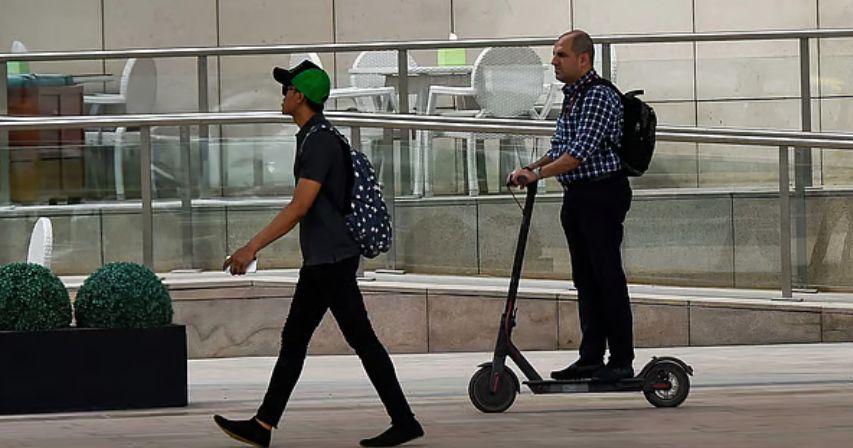
Electric scooters offer commuters a convenient and affordable way to travel short distances.
However, concerns about reckless riding, road accidents and scooters blocking pavements have prompted cities worldwide to introduce stricter regulations or discontinue rental services.
While some cities have restricted shared e-scooters, Dubai continues to permit their use in designated areas under specific traffic rules and safety requirements.
The differences highlight how authorities are balancing convenient transport options with road safety and pedestrian protection.
How Are E-Scooters Regulated in Dubai?
Electric scooters are permitted in designated areas and on authorised routes in Dubai, subject to regulations established by the Roads and Transport Authority (RTA).
Riders must generally be at least 16 years old, wear a helmet and reflective clothing, and observe the applicable speed limit of 20km/h.
An e-scooter permit is also required unless the rider qualifies for an exemption, such as holding an eligible driving licence.
Riding in prohibited areas, failing to follow safety requirements or operating a scooter recklessly can result in penalties.
In May 2026, Dubai's RTA and Dubai Police announced the launch of a Personal Mobility Monitoring Unit to strengthen monitoring and enforcement against unsafe riding.
Which Other Emirates Have Restricted E-Scooters?
Rules vary across the UAE.
In 2025, Ajman Police announced restrictions on electric scooters and similar two-wheeled vehicles on public roads and streets, citing traffic violations and safety concerns.
Abu Dhabi also regulates e-scooter use through designated areas and safety requirements.
Riders should check local rules before travelling, as permitted routes and restrictions may differ between emirates.
1. Paris, France: Shared E-Scooter Rentals Banned
Paris ended shared rental e-scooter services in September 2023 following a public vote.
Concerns about accidents, improper parking and conflicts with pedestrians contributed to the decision.
However, the measure targeted rental services rather than privately owned e-scooters.
2. Madrid, Spain: Rental Scooter Services Restricted
Madrid moved to withdraw authorisations for app-based e-scooter rental operators after concerns about compliance with parking and operating requirements.
The measures focused on rental businesses rather than introducing a blanket ban on privately owned scooters.
3. Melbourne, Australia: Shared Scooter Scheme Ended
Melbourne's city council voted in August 2024 to end shared e-scooter arrangements.
Complaints about unsafe riding and scooters obstructing footpaths contributed to the decision.
The restrictions focused on rental services rather than all personal e-scooters.
4. Toronto, Canada: Strict Restrictions on Public Spaces
Toronto prohibits e-scooters on public roads, sidewalks and other public spaces, including privately owned devices.
Safety concerns involving riders and pedestrians have shaped the city's restrictive approach.
5. Copenhagen, Denmark: Stricter Parking Rules
Copenhagen temporarily banned rental e-scooters in 2020 before allowing them to return under tighter conditions in 2021.
Parking restrictions and penalties for improperly parked scooters were introduced to reduce pavement obstruction and improve public-space management.
6. Brussels, Belgium: Shared Scooter Ban Planned for 2027
Brussels has announced plans to prohibit shared rental e-scooters from January 1, 2027.
Concerns about accidents and scooters obstructing public spaces have contributed to the planned restrictions.
The measure targets shared rental services rather than all privately owned scooters.
What Dubai Residents Should Know About E-Scooter Rules
Unlike cities that have ended shared rental schemes, Dubai continues to allow e-scooters as a convenient option for short journeys, while requiring riders to follow safety regulations.
Residents and visitors should check authorised routes, follow speed limits, use the required protective equipment and confirm whether they need a permit before riding.
Understanding local restrictions can help riders avoid penalties, reduce accidents and protect pedestrians.
As cities continue to review personal mobility policies, Dubai's approach reflects an effort to retain convenient transport options while strengthening safety and responsible riding practices.
By: Kriti Vaid




Comments