
Dubai gold prices fall for fourth straight day as Iran war clouds rate outlook
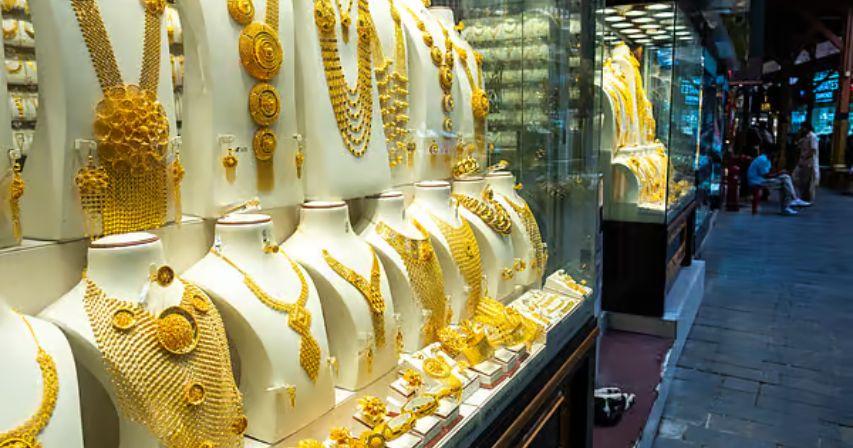
Gold prices in Dubai declined further, with 24K gold trading at Dh493 per gram after losing Dh7.50 since the market opened on Monday. The price had stood at Dh497.25 per gram a day earlier, marking a daily decrease of Dh4.25.
Other gold varieties also recorded lower prices. The 22K rate stood at Dh456.50 per gram, while 21K gold traded at Dh437.75. Meanwhile, 18K gold was priced at Dh375.25 per gram and 14K gold at Dh292.75.
Global Gold and Silver Prices Decline
International precious metal prices also moved lower amid uncertainty surrounding geopolitical developments and interest rate expectations.
The spot gold price fell 1.02% to $4,091.10 per ounce, while silver declined 2.15% to $56.35 per ounce.
According to Vijay Valecha, financial analyst and chief investment officer at Century Financial, uncertainty surrounding the Iran war and its potential impact on inflation and interest rates continues to weigh on gold prices.
Iran Conflict and Inflation Concerns Pressure Gold
Valecha explained that gold has fallen by around one-fifth since the US-Iran conflict began in late February. Rising oil prices have raised concerns about inflation, potentially prompting central banks to keep interest rates higher for longer.
Higher interest rates can put pressure on gold because the precious metal does not generate interest income, making it less attractive compared with interest-bearing investments.
Conflicting signals about progress towards ending the Iran war have also created uncertainty around the inflation outlook and the US Federal Reserve's future interest rate decisions.
Although oil prices have retreated from recent highs, developments in the conflict continue to influence financial market expectations.
Investor Demand and Central Bank Buying May Support Gold
Despite the recent price correction, some factors could help support gold in the coming months.
Valecha pointed to continued investor demand and central bank purchases as potential sources of support. Holdings in gold-backed exchange-traded funds (ETFs) have climbed to a four-year high, even as gold prices have declined from their late-August peak.
Central bank purchases could also help establish a price floor by demonstrating continued demand for the precious metal despite pressure from higher oil prices and bond yields.
The divergence between ETF holdings and gold prices suggests that some investors have continued adding to their positions during the market correction.
Gold Prices Trade Within a Key Range
From a technical perspective, gold has traded between $4,070 and $4,220 per ounce this month.
Valecha said a break above or below this range could indicate the metal's next medium-term direction.
He identified $4,080 per ounce as a potential near-term support level, based on a trendline connecting several previous lows.
If gold remains within its current trading range, prices could continue to face pressure as investors monitor developments in the Iran war, changes in oil prices and expectations for US interest rates.
For Dubai gold buyers, the recent decline means lower prices across different gold varieties, although future movements will depend on global market conditions and geopolitical developments.
By: Simran



Comments