
UAE woman quits job to turn Emirati heritage into handcrafted dolls
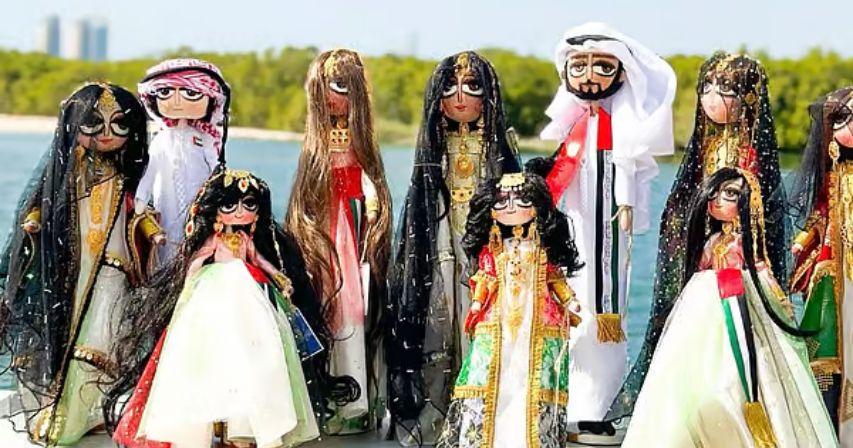
What started as an after-hours passion has grown into a full-time creative journey for Emirati artist Hanadi Badow, who left a secure job to create handcrafted dolls inspired by the clothing, traditions and identity of the UAE.
Originally from Abu Dhabi and trained in graphic design, Badow previously worked for a semi-government organisation. While she was comfortable in her career, her passion for dollmaking continued to grow, eventually leading her to make the decision to pursue it professionally.
“It took courage to begin, but I knew where I wanted to go. I believed in myself and trusted that God would provide for me,” she said.
Six Years of Self-Learning and Craftsmanship
Badow has spent around six years developing her craft and is now entering her seventh year in the field. She is entirely self-taught, learning through online videos, studying designs and continuously experimenting with different techniques.
Creating each doll is a detailed and time-consuming process. A single piece can take four to five days of continuous work, with Badow dividing the process into different stages, including making the body and clothing, painting facial features, adding hair and completing the accessories.
Over time, she refined her workflow and began allocating specific periods to each stage of production.
The finished dolls are not mass-produced toys. Each is carefully handmade and designed to reflect elements of Emirati culture and identity.
First Collection Featured 14 Dolls
After completing her initial designs, Badow launched an Instagram account to showcase her work. With help from a friend with photography and marketing, she introduced her first collection of around 14 dolls to the public.
Interest quickly followed.
Customers can customise various aspects of the dolls, including clothing, colours and hairstyles, while Badow maintains the distinctive visual character of her creations. Every doll is also given a name and comes with a small passport.
For personalised orders, parents can request that the doll carry their child's name, while Badow chooses the names for dolls created specifically for exhibitions.
Her work has since appeared at events across the UAE and at exhibitions and cultural engagements overseas.
Abu Dhabi Exhibition Brings Unexpected Attention
A major turning point came during the Abu Dhabi International Hunting and Equestrian Exhibition 2026, where Badow initially hoped to have her own booth.
Although she was not allocated a dedicated space, another artist invited her to display the dolls in a small shared gallery.
What followed exceeded her expectations. Videos of the dolls circulated widely on social media, attracting visitors to the display and introducing Badow's work to a much larger audience.
“People believed in my talent. Those who filmed the dolls and interacted with them helped me reach a much wider audience,” she said.
Moving Dolls Add a New Dimension
Badow has also introduced new designs aimed at creating a more interactive experience for children.
While her earlier dolls were designed to remain seated, her newer creations feature marionette-style movements, allowing visitors to see the characters in action. One of the dolls incorporates movements inspired by Emirati folk traditions.
The creations attracted attention from both children and adults, with visitors stopping to watch, interact with and record the dolls.
Growing Demand Creates New Opportunities
Following the exhibition, Badow received enquiries from a range of organisations, including government entities, nurseries, media organisations and television channels.
She has also received interest connected to upcoming National Day events, opening new possibilities for her handmade creations to reach wider audiences.
The sudden attention has also given her a greater sense of responsibility as an artist.
“I have to live up to that responsibility and make sure I add something new every time,” she said.
‘An Emirati Doll in Every Detail’
For Badow, the dolls represent much more than decorative handmade objects. They are intended to give Emirati and Arab children characters that reflect familiar clothing, traditions and cultural identity.
She describes them as an “Emirati doll in every detail”, particularly created with Emirati children in mind.
Her wider ambition is to introduce the UAE's rich heritage and culture to audiences around the world through her craft.
“I am very proud to be from the UAE. That gives me a great responsibility to present my country in the most beautiful way before the world. I hope, God willing, to take this work globally.”



Comments