
UAE Introduces Government AI Assistant; available from March 2027
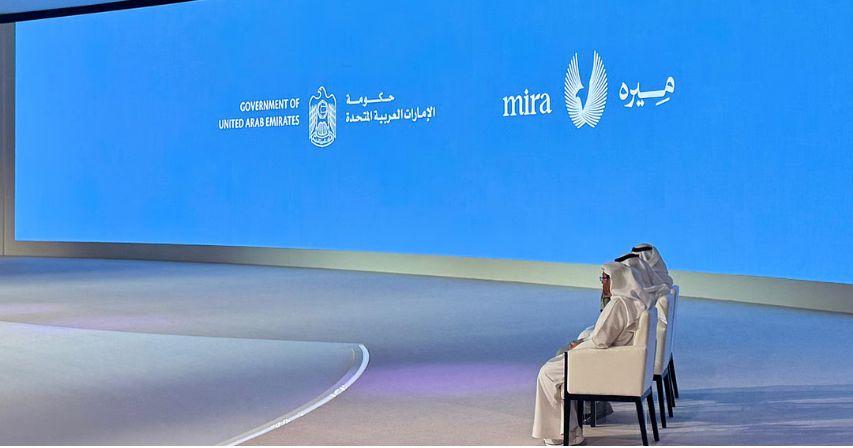
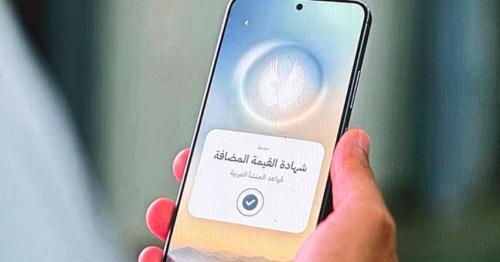
The UAE has unveiled mira, an AI-powered personal assistant designed to help citizens and residents access government services more easily. The initiative marks a major step towards the country's Government 4.0 vision, which aims to make public services more intelligent, personalised and proactive.
His Highness Sheikh Mohammed bin Rashid Al Maktoum, Vice President and Prime Minister of the UAE and Ruler of Dubai, announced the launch on Monday as part of the country's efforts to transform government service delivery through Artificial Intelligence (AI).
Mohammad Abdullah Al Gergawi, Minister of Cabinet Affairs, described mira as the UAE Government's personal assistant and the first government assistant designed to serve all citizens and residents.
Mohamed Rashid bin Taliah, Assistant Minister of Cabinet Affairs for Government Knowledge Exchange, explained that the assistant will use Agentic AI to understand people's requirements, coordinate government services and process requests proactively.
mira to Roll Out Across the UAE from March 2027
The new AI assistant is scheduled to begin its rollout in March 2027, initially covering a priority group of government services.
These services will include:
Residency-related services.
Emirates ID and identity documents.
Passport renewals.
Education services.
Healthcare services.
The services will be introduced in phases, with the government aiming to make all UAE government services accessible through mira by the end of 2027.
The initiative is expected to simplify government procedures by removing the need for residents to identify individual departments or understand complicated application requirements.
How Will the mira AI Assistant Work?
mira will use Agentic AI to understand users' needs and coordinate the necessary government processes.
Instead of visiting multiple government websites or contacting different departments, users will be able to explain their requirements directly to the assistant.
The platform will be designed to:
Understand users' requests and requirements.
Access relevant information from government entities.
Coordinate services across different departments.
Identify and prepare the required documents.
Process service requirements proactively.
Guide users through government procedures.
This approach aims to reduce paperwork, save time and make government services more convenient for residents and businesses.
AI Assistant to Break Language Barriers
One of mira's key features will be its ability to help people communicate with government services in their preferred languages.
Users will not need to understand complicated government terminology or know which authority handles a particular request. They can simply explain what they need in their own language.
The assistant will then guide them through the relevant process and coordinate with the appropriate government entities.
This feature is expected to make government services more accessible to the UAE's diverse population, including residents who speak different languages.
UAE Targets 50% Government Transformation Through Agentic AI
The launch of mira is part of the UAE's broader Government 4.0 strategy, which aims to integrate Agentic AI into government operations and public services.
Al Gergawi highlighted that the UAE aims to transform 50% of government sectors, services and operations through Agentic AI within two years.
The programme will focus on enabling intelligent systems to perform tasks independently, coordinate processes between government departments and improve operational efficiency.
He also revealed that more than 1,000 people are working towards the country's ambition to become a global leader in government services.
The programme is overseen by Sheikh Mansour bin Zayed Al Nahyan, Vice President, Deputy Prime Minister and Chairman of the Presidential Court.
From Digital Government to AI-Powered Services
During the launch, Al Gergawi highlighted the UAE's progress in government services over the past several decades.
The country's journey began with traditional government services in the 1970s and continued through improvements during the 1980s and 1990s.
Sheikh Mohammed bin Rashid played an important role in improving customer experiences, including visiting government service centres to identify challenges faced by customers.
His efforts also encouraged greater transparency and accessibility, including removing physical barriers between government employees and customers.
In the 2000s, the UAE accelerated its digital transformation by introducing government services through mobile phones and electronic platforms.
Today, the country is moving towards another stage of development, where AI-powered systems will anticipate people's requirements and coordinate services without requiring them to navigate multiple government departments.
mira Marks a New Chapter in UAE Government Services
The introduction of mira represents another milestone in the UAE's digital transformation journey.
With its phased rollout beginning in March 2027, the assistant aims to bring different government services together through a single AI-powered platform.
By the end of 2027, the UAE aims to make all government services available through mira, creating a more connected and personalised experience for citizens and residents.
The initiative reflects the country's long-term ambition to move beyond traditional digital transactions towards proactive government services that understand and respond to people's needs.
By: Simran


Comments