UAE Economy Set to Grow 7.3% in 2027 as Trade and Tourism Recovery Gains Momentum: IMF
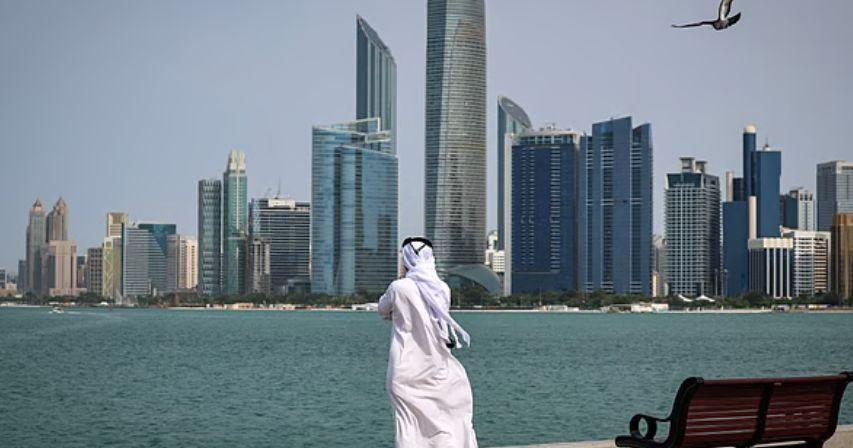
The United Arab Emirates is expected to witness stronger economic growth in 2027, with the International Monetary Fund (IMF) projecting a 7.3% expansion in its real Gross Domestic Product (GDP).
The improved outlook comes as economic activity gradually recovers across key sectors, including oil, trade, aviation and tourism.
According to the IMF's latest assessment, the UAE economy is expected to grow by 0.2% in 2026 before accelerating significantly the following year.
The forecast reflects the country's ability to manage regional disruptions through financial support, strong infrastructure and targeted government policies.
The recovery of economic activities is also expected to strengthen the country's overall growth prospects.
IMF Highlights UAE's Economic Resilience and Growth Outlook
The IMF has credited the UAE's economic resilience to its substantial financial reserves, well-capitalised banking system and effective government response to regional challenges.
During its 2026 Article IV consultation, the Fund noted that economic activity had started regaining momentum following disruptions that affected several sectors earlier in the year.
The non-oil economy is projected to expand by 5.4% in 2027, supporting the country's economic diversification efforts.
Meanwhile, hydrocarbon growth is expected to reach 13.3% as oil production recovers.
These developments are expected to contribute significantly to the UAE's projected economic expansion.
Trade, Aviation and Tourism Expected to Support Economic Recovery
Trade, aviation and tourism are among the major sectors expected to contribute to the UAE's economic recovery.
The IMF has highlighted the importance of expanding international trade partnerships and developing alternative trade routes to strengthen supply chains.
The country's Comprehensive Economic Partnership Agreements (CEPAs) are also expected to support stronger trade connections and market access.
Alongside these developments, continued investment in logistics, infrastructure and digital services could improve productivity and create opportunities across different industries.
The IMF also expects inflation to moderate from around 5% in 2026 to approximately 3% in 2027 before moving towards 2% over the medium term.
Strong Banking Sector and Government Support to Strengthen UAE Economy
The UAE's banking sector continues to play an important role in maintaining financial stability and supporting economic activity.
According to the Central Bank of the UAE, total banking assets exceeded Dh5.815 trillion at the end of September 2026, reflecting continued growth in the financial sector.
The IMF has also highlighted the importance of strong capital and liquidity reserves in helping financial institutions manage economic uncertainty.
Government support measures, infrastructure development and efforts to diversify trade are expected to remain important growth drivers.
Despite regional and global uncertainties, the IMF's latest forecast points towards stronger economic momentum for the UAE in 2027.
By: Kriti Vaid



Comments