
UAE allows authorised doctors, essential workers to exceed speed limits by 40km/h
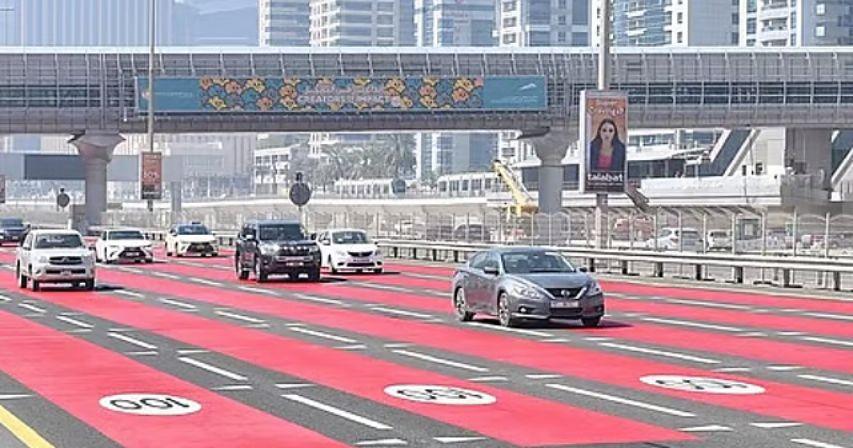
Doctors responding to medical emergencies and drivers of certain essential service vehicles in the UAE may exceed speed limits by up to 40km/h on roads outside built-up areas under a new ministerial decision regulating road priority.
The decision outlines specific circumstances in which authorised drivers can receive priority on roads and exemptions from three types of traffic violations. These include exceeding speed limits within the permitted limit, using road shoulders and emergency vehicle lanes during traffic congestion, and driving in designated bus lanes.
However, the exemptions come with strict safety requirements. Drivers must follow traffic regulations, remain cautious around other road users and never cross red traffic signals. They must also respect posted speed limits near schools, hospitals and residential areas.
According to Arabic daily Al Khaleej, the decision identifies four categories of essential services eligible for road priority and establishes six obligations for authorised drivers.
Who Qualifies for Road Priority in the UAE?
The new decision covers four categories of essential services that may receive priority on UAE roads:
Emergency medical response: Doctors providing urgent medical assistance through approved hospitals and healthcare facilities.
Public road services: Road maintenance and related services operated by government entities or their contractors.
Vehicle recovery services: Recovery vehicles travelling to accident or breakdown locations.
Traffic accident mapping services: Vehicles involved in mapping and documenting traffic accident scenes.
These services may receive road priority in specific situations, including traffic restrictions, congestion, emergencies, adverse weather conditions and road accidents.
For doctors, the exemption applies when an approved healthcare facility requires an urgent medical response. This also includes situations where a doctor needs to travel between emirates to attend an emergency.
Three Traffic Violations Covered by the Exemptions
The ministerial decision provides authorised drivers with exemptions from three specific traffic violations when they are legally exercising road priority.
The exemptions include:
1. Exceeding Speed Limits by Up to 40km/h
Authorised drivers may exceed the prescribed speed limit by no more than 40km/h on roads outside built-up areas while responding to eligible emergencies.
2. Using Road Shoulders and Emergency Lanes
Drivers may use road shoulders and lanes designated for emergency vehicles when traffic is stationary or heavily congested.
3. Driving in Designated Bus Lanes
Authorised vehicles may also use designated bus lanes when exercising their approved road priority.
These exemptions are not general permissions for faster driving or unrestricted road use. They apply only when the specified conditions and authorisation requirements are met.
Six Obligations for Drivers Using Road Priority
Drivers of authorised essential service vehicles must follow six requirements before and while exercising road priority.
The main obligations include:
Complete approved training: Drivers must complete a training course approved by the relevant traffic enforcement or licensing authority before receiving a road priority permit.
Use authorised warning signals: Drivers cannot use warning signs or signals approved in the UAE without obtaining the required permit.
Follow traffic regulations: All authorised drivers must continue complying with traffic rules and exercise caution around other road users.
Do not cross red traffic lights: Road priority does not permit drivers to ignore red signals, as doing so could cause serious accidents.
Give way to other emergency vehicles: Drivers must give priority to fire emergency vehicles, ambulances, vehicles transporting patients and injured people, police, civil defence and official motorcades carrying out their duties.
Observe speed limits in sensitive areas: Drivers must follow posted speed restrictions near schools, hospitals and residential neighbourhoods.
These conditions aim to ensure that emergency services can respond quickly without compromising public safety.
Four Conditions Doctors Must Meet for Emergency Response Permits
Doctors seeking authorisation to use the emergency response service must meet four specific requirements.
They must:
Belong to an approved essential medical specialty included in the emergency response service.
Complete a training course approved by the traffic enforcement or licensing authority.
Obtain the necessary approval to use the service.
Hold a valid medical licence in the UAE.
The medical specialties eligible for the service must be approved by the committee established for this purpose.
Operations Room Must Be Notified Before Exercising Road Priority
The decision also establishes communication and authorisation requirements for essential service vehicles.
Drivers must notify the relevant operations room whenever they are providing an eligible service. They must also obtain road priority through the traffic enforcement authority.
These procedures help authorities coordinate emergency movements and ensure that road priority is used only for approved purposes.
UAE Introduces Clearer Rules for Emergency Road Priority
The new ministerial decision establishes clearer guidelines for doctors and essential service drivers who need priority access to roads during emergencies.
By allowing limited traffic exemptions while maintaining strict safety obligations, the rules aim to balance faster emergency responses with the protection of other road users.
The requirements also reinforce the importance of proper training, official permits and coordination with traffic authorities when using road priority across the UAE.
By: Simran


Comments