
Strait of Hormuz Traffic Remains Sharply Reduced, Keeping Global Supply Concerns in Focus
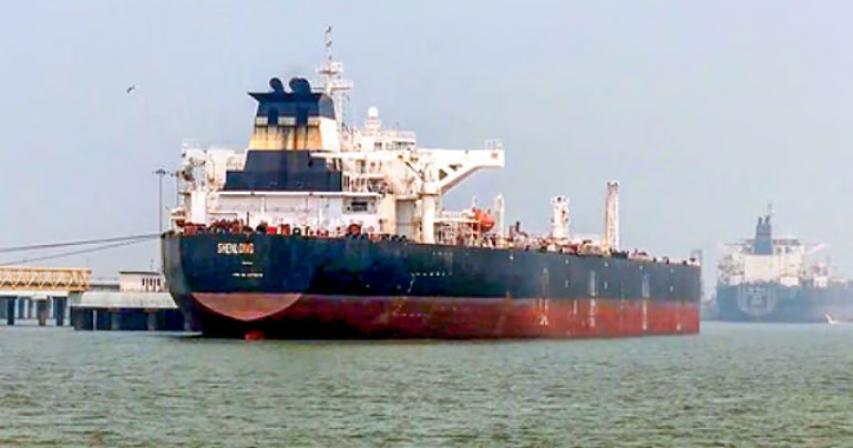
Around a dozen commodity ships crossed the Strait of Hormuz over September 19–20, down from 35 the previous weekend, Reuters reported on Monday.
Before the conflict, approximately 125 large commercial vessels used the waterway daily. These figures cover different vessel categories but illustrate the scale of the slowdown.
The tracking data does not capture every crossing. Some tankers continue operating with their identification transponders switched off, meaning recorded traffic cannot be treated as a complete measure of cargo flows.
The strait has historically carried roughly a fifth of global oil consumption and LNG trade, making disruption significant far beyond the Gulf.
Shipping costs are another source of pressure. The Wall Street Journal reported that tanker shortages, longer voyages and disruptions to Saudi Arabia’s East-West pipeline were complicating deliveries and increasing freight costs. These difficulties can keep the cost of transporting oil elevated even when crude prices fall.
The potential effect extends to households and businesses worldwide. More expensive energy deliveries can increase costs for transport, manufacturing and electricity generation, creating pressure that may eventually reach consumer prices.
That does not mean an immediate or uniform increase in petrol, airfares or groceries. The impact depends on how long disruption lasts, available inventories, alternative supplies and how businesses pass on additional costs.
The key question is whether reliable shipping can recover. A sustained improvement would ease supply concerns, while further interruptions could prolong uncertainty for energy buyers and consumers.
By: simran




Comments