
Dubai Metro extends to Al Maktoum International Airport; services to begin in 2031
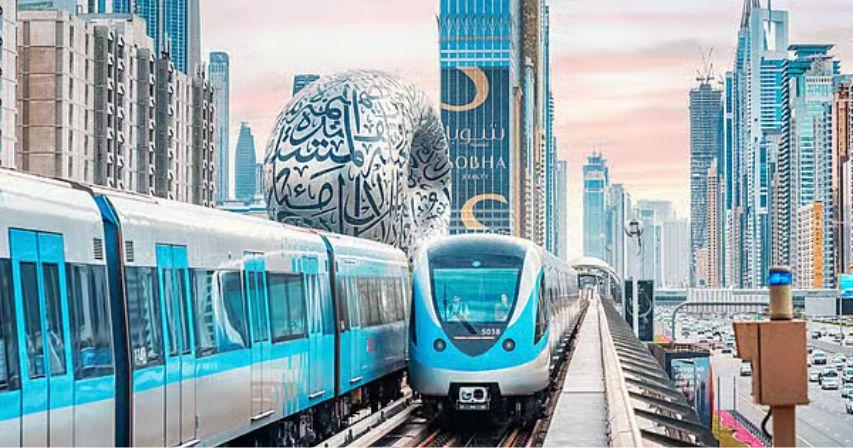
Dubai Crown Prince Sheikh Hamdan bin Mohammed bin Rashid Al Maktoum announced on Tuesday that the extension of Dubai Metro's Route 2020 to Al Maktoum International Airport (DWC) has been approved, with operations expected to begin in 2031.
The Dh2 billion project will connect the Dubai Metro network directly to the airport, which is being developed to become the world's largest airport. The extension aims to improve connectivity for passengers, airport employees and visitors travelling to surrounding communities.
Dh2 Billion Dubai Metro Extension to Improve Airport Connectivity
The planned extension will provide a direct metro connection to Al Maktoum International Airport, making journeys more convenient for passengers and airport staff.
The project is also expected to reduce dependence on private vehicles within the airport city and improve access to nearby residential and commercial areas.
In addition, the extension will establish connections with the proposed airport express line and Etihad Rail's high-speed rail network, supporting wider public transport connectivity across the UAE.
The extension of Route 2020 to the West Terminal of Al Maktoum International Airport is part of Dubai's wider transport development plans.
Route 2020 was inaugurated by Sheikh Mohammed bin Rashid Al Maktoum, Vice-President and Prime Minister of the UAE and Ruler of Dubai, six years ago.
Initially developed as a 15-kilometre extension of the Dubai Metro Red Line, the route was designed to connect several communities across the emirate while supporting future access to Al Maktoum International Airport.
The newly approved extension will further strengthen this connection by bringing metro services directly to the airport.
Dubai Metro Extension Separate from Proposed Airport Express Line
The approved Route 2020 extension to DWC's West Terminal is separate from the proposed Airport Express Line.
The proposed express service is intended to connect Dubai International Airport (DXB) with Al Maktoum International Airport (DWC), with additional metro stations planned along the route.
Both projects form part of Dubai's broader efforts to strengthen airport connectivity and develop an integrated public transport network.
The Dubai Metro extension was approved during a meeting of the Executive Council of Dubai held as part of the UAE Government Annual Meetings.
During the meeting, strategic projects worth more than Dh11 billion were approved. These included a comprehensive plan to improve community services and facilities by 2040, with priority given to residential areas for Emirati citizens.
The council also approved findings from a study examining the future of Dubai's real estate market. The study highlighted the sector's strength and resilience while supporting its continued growth through partnerships with the private sector.
Sheikh Hamdan also announced directives to diversify investment policies for funds held for minors and endowments.
The initiatives will focus on strengthening portfolio management, diversifying assets, improving returns and ensuring long-term financial sustainability.
He emphasised that Dubai remains committed to improving residents' quality of life and strengthening its global competitiveness, guided by the vision of Sheikh Mohammed bin Rashid Al Maktoum.
The initiatives aim to deliver meaningful improvements to people's everyday lives while creating new opportunities for future generations.
Dubai Strengthens Its Future Transport and Infrastructure Network
The approval of the Dh2 billion Route 2020 extension marks another step in Dubai's long-term infrastructure development strategy.
With metro connectivity to Al Maktoum International Airport expected by 2031, the project will support smoother airport journeys, improve access to surrounding communities and strengthen connections with other transport networks.
Alongside investments in community facilities, real estate and financial sustainability, the initiative reflects Dubai's continued focus on building an efficient, connected and future-ready city.


Comments