
Dubai inflation rises to 5.5% as transport, food prices increase
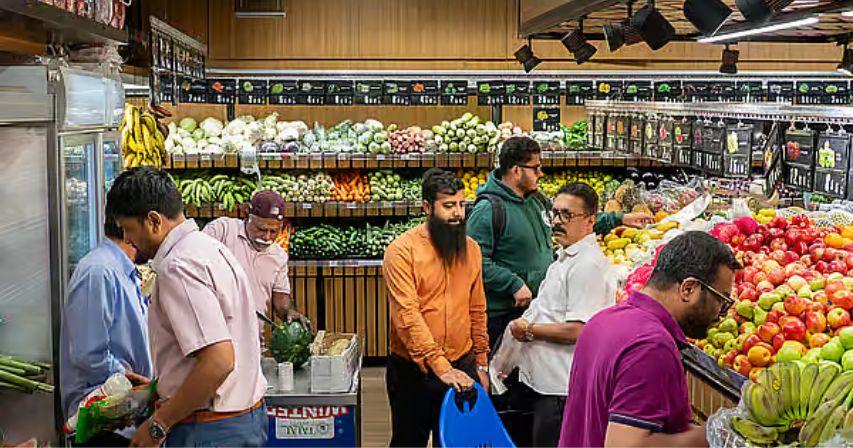
Dubai's annual inflation rate increased to 5.5 per cent in October 2026, up from 5 per cent in September, driven by rising fuel, transport and food prices, according to a report by Emirates NBD Research.
Consumer prices rose 1.1 per cent month-on-month in October, reversing the slight decline of 0.05 per cent recorded in September. The latest increase brought inflation back to its August level.
Transport costs were the biggest contributor to the rise, while food and beverage prices also accelerated. However, slower growth in housing costs helped limit the overall increase in consumer prices.
Transport Costs Rise as Petrol Prices Increase
Transport was the main driver of Dubai's inflation in October, with prices in the category increasing 19.3 per cent year-on-year, compared with 14.7 per cent in September.
On a monthly basis, transport costs rose 6.3 per cent, reflecting higher petrol prices.
Fuel and lubricants recorded the largest annual increase among items in Dubai's Consumer Price Index (CPI) basket, climbing 53.2 per cent.
The increase followed October's petrol price hike, when Super 98 petrol reached Dh4.40 per litre, marking a 58.8 per cent rise compared with the same month last year.
Although petrol prices declined to Dh4.15 per litre in November, Emirates NBD Research expects annual transport inflation to remain elevated in the next reading.
The report added that recent declines in global oil prices could help ease inflationary pressures towards the end of 2026, provided lower crude oil and refined-product prices continue.
Dubai Food Inflation Reaches Highest Level Since 2010
Food and beverage prices recorded a significant increase in October, with annual inflation reaching 9.1 per cent, compared with 8 per cent in September.
This was the fastest annual increase in food prices since at least January 2010, according to Emirates NBD Research.
At the beginning of 2026, food inflation stood at just 0.9 per cent, highlighting the sharp acceleration over the year.
On a monthly basis, food prices increased by 1 per cent in October, slightly below September's 1.1 per cent rise.
Meanwhile, Dubai's October Purchasing Managers' Index (PMI) survey showed that businesses were increasingly passing higher operating costs on to customers.
Selling prices increased at the fastest pace recorded in the survey's history, with businesses across construction, wholesale and retail trade, and travel and tourism reporting higher prices.
Housing Inflation Slows in October
While transport and food costs continued to increase, slower housing inflation helped moderate Dubai's overall inflation rate.
Annual inflation in the housing and utilities category eased to 5.8 per cent in October, down from 6.2 per cent in September and 7.4 per cent at the beginning of 2026.
Housing contributed 2.2 percentage points to overall inflation, slightly below transport's contribution of 2.3 percentage points.
This was the first time since October 2022 that transport contributed more to Dubai's headline inflation than housing.
Meanwhile, accommodation prices increased 66.1 per cent month-on-month in October but remained 11.7 per cent lower than their level a year earlier.
According to the report, the monthly rebound was partly linked to seasonal factors and a recovery in tourism-related pricing.
Dubai Inflation Expected to Ease in 2027
Emirates NBD Research expects Dubai's annual inflation rate to remain broadly stable through November and December before easing in 2027.
Moderating global oil prices could help reduce inflationary pressures, particularly in the transport sector.
However, the report warned that the risk of further price increases remains.
Businesses are showing a greater willingness to pass higher operating costs on to consumers as demand strengthens, which could keep pressure on household spending in the coming months.
By: Simran

Comments