
Dubai gold price below Dh450: Is it time to buy or will it fall further?
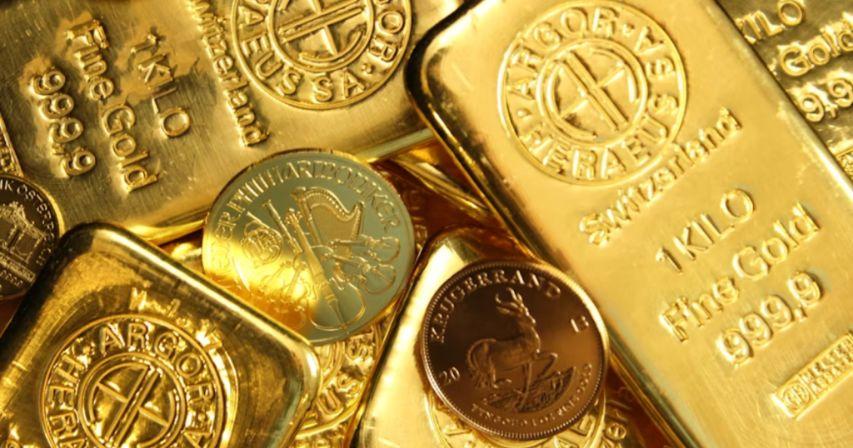
Gold prices have dropped to their lowest level in around 14 months, raising concerns among investors and jewellery buyers in the UAE. The precious metal has faced significant selling pressure in recent weeks, with analysts warning that prices could fall further in the short term. However, experts believe the long-term outlook for gold remains positive.
Gold closed at $3,525 per ounce over the weekend, marking a decline of 4.33%. In the UAE, 24K gold closed at Dh426.5 per gram, while 22K gold stood at Dh395 per gram, according to Dubai Jewellery Group data.
According to Jafar Hashem, CEO of Zentara Solutions, gold is now approximately 36% below its January record of nearly $5,590 per ounce and around 19% lower since the beginning of the year. Most of the decline has occurred over the past few weeks.
Why Are Gold Prices Falling?
Analysts believe the recent decline in gold prices is largely linked to expectations surrounding US interest rates, inflation and the strength of the US dollar.
Hashem explained that real yields on 10-year US Treasury bonds are close to 2.9%, while the dollar has strengthened to its highest level in approximately 18 months. These conditions make gold less attractive because the precious metal does not generate interest or income.
Higher-than-expected inflation figures released earlier this month also contributed to the latest decline. Investors are now closely watching the US Federal Reserve's meeting scheduled for December 9.
According to Hashem, markets have already priced in an interest rate hike, making the Fed's accompanying comments and future policy guidance particularly important.
Vijay Valecha, Chief Investment Officer at Century Financial, said rising oil prices linked to the US-Iran situation have kept inflation elevated, increasing expectations of tighter monetary policy.
He also pointed out that sharp declines in AI-related stocks have encouraged investors to sell assets across different markets to raise cash rather than move their money into traditional safe-haven investments such as gold.
Madhur Kakkar, Founder and CEO of Elevate Financial Services, added that these developments have reduced the premium investors are willing to pay for gold as a safe-haven asset.
Gold Price Forecast: Could Prices Fall Further?
Market experts believe gold could experience additional weakness over the coming weeks.
Kakkar suggested that prices could decline by another 100–200 from current levels. Valecha identified $3,500 per ounce as the next important support level, followed by $3,450.
Meanwhile, Firas Bechwaty, Head of Business Development at ICM Mena, warned that gold could move towards $3,250 or even $3,000 if market pressures increase.
However, if expectations surrounding US monetary policy improve and stock markets stabilise, gold could remain around its current trading levels.
Hashem expects gold to trade between $3,350 and $3,850 over the next four to eight weeks. If the Federal Reserve signals that its interest rate tightening cycle is approaching an end, prices could recover towards $3,800.
On the other hand, further indications of interest rate increases extending into 2027 could push gold towards 3,300–3,400.
Medium-Term Gold Outlook Remains Positive
Despite the recent decline, analysts remain optimistic about gold's medium-term performance.
Hashem expects prices to recover towards 3,800–4,300 over the next three to six months. In a more favourable market environment, gold could potentially reach $4,500 if US economic data weakens and the dollar loses strength.
However, his downside forecast suggests prices could fall towards 3,100–3,200 if interest rates continue rising.
He also highlighted Goldman Sachs' forecast, which expects gold to reach $4,150 by the end of 2026 and $4,800 by the end of 2027.
Bechwaty also expects a gradual recovery towards 4,000–4,500 if bond yields decline and expectations surrounding monetary policy become more favourable.
Physical Gold Demand Remains Strong Despite Price Decline
Interestingly, the recent fall in gold prices has not significantly weakened underlying physical demand.
According to Hashem, central banks purchased 321 tonnes of gold during the third quarter, representing a 42% increase compared with the same period last year. It was also the highest quarterly buying level in almost two years.
Gold exchange-traded funds (ETFs) recorded approximately $31 billion in inflows during a record quarter, even as gold prices declined.
Hashem believes the recent sell-off has been driven mainly by futures market positioning and short-term investors reacting to Federal Reserve expectations.
However, Valecha warned that trend-following funds have increased their short positions, while many ETF investors have not yet sold their holdings. This means additional selling pressure could emerge.
Should Investors Hold or Sell Gold?
Despite the sharp decline, financial experts are generally advising existing gold investors against panic selling.
Valecha believes holding gold remains a reasonable approach for existing investors, although they should remain cautious because of elevated interest rates and the strong US dollar.
Hashem warned that selling after a decline of more than one-third could result in investors locking in significant losses. For those with an investment horizon of three to five years, he suggested maintaining a strategic gold allocation of around 5–10% of their overall portfolio.
He also recommended considering gradual purchases at different price levels, such as $3,400 and $3,200, rather than investing the entire amount at once.
Kakkar said first-time buyers could consider accumulating gold gradually at current prices
Bechwaty added that investment decisions should depend on individual financial goals, risk tolerance and investment timelines.
For UAE investors, the currency factor is also important. Since the UAE dirham is pegged to the US dollar, local gold buyers experience the full impact of changes in international gold prices without the currency-related cushion that buyers in countries such as India or parts of Europe may experience.
What Could Trigger a Gold Price Recovery?
Analysts believe a change in US Federal Reserve policy could become the biggest factor behind a potential gold rally.
A more accommodative approach from the Fed could reduce real bond yields and weaken the US dollar, making gold more attractive to investors.
Other factors that could support gold prices include:
Increased gold purchases by central banks.
Renewed investment from Western institutional investors.
De-escalation of geopolitical tensions involving the US and Iran.
Growing concerns about US government debt.
Softer US economic data and lower interest rate expectations.
However, several risks could put additional pressure on gold prices. These include further interest rate increases, continued dollar strength, forced selling during stock market volatility and a decisive break below the 3,400–3,500 support range.
Hashem also highlighted a potential slowdown in central bank gold purchases as one of the major risks investors should monitor.
What Should UAE Gold Buyers Expect?
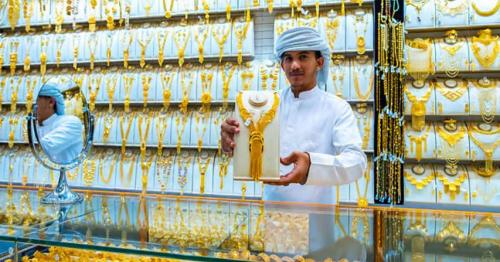
For UAE jewellery buyers and investors, the coming weeks could bring further price fluctuations as markets react to US economic data and Federal Reserve policy decisions.
Although analysts expect short-term weakness, strong central bank demand and the possibility of lower interest rates over the medium term continue to support the longer-term outlook.
Investors are therefore advised to monitor market developments carefully and make gold-related decisions based on their financial goals rather than reacting to short-term price movements.



Comments