
Countries Without Standing Armies And How They Stay Secure
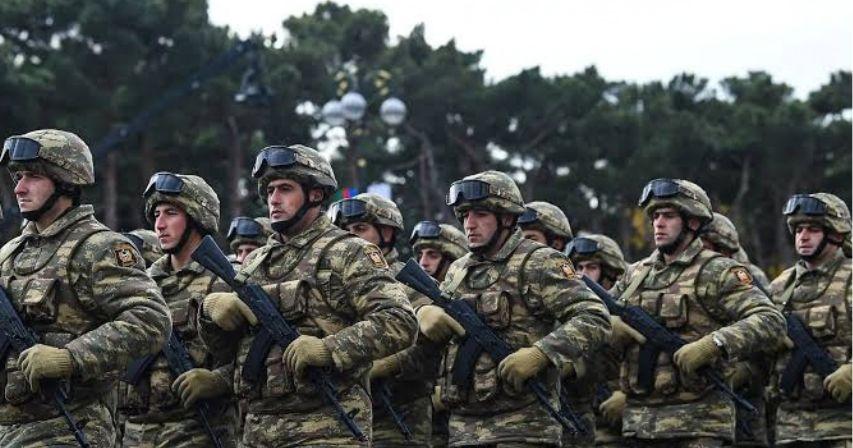
A closer look at six countries that do not maintain conventional military forces and the security systems they use instead.
A country can have no standing army and still maintain police, border security and defence arrangements. Costa Rica and Panama have constitutional bans on a permanent army. Iceland has no military forces of its own but belongs to NATO. Liechtenstein and Samoa also maintain no military, while the Federated States of Micronesia has a defence agreement with the United States. The phrase “no armed forces” therefore needs context: it does not mean a country has no way to protect its people.
Costa Rica
Costa Rica abolished its army in 1948, and Article 12 of its 1949 constitution prohibits an army as a permanent institution. The constitution provides for police forces to maintain public order. Today, the Ministry of Public Security oversees the Fuerza Pública and other services, including border and coast guard functions. The country’s choice is a constitutional model, not an absence of law enforcement.
Panama
Panama’s constitution says the republic shall have no army. Article 310 provides for police services to preserve public order and protect people and property; it also permits temporary special police services to protect borders and other areas if the country faces an external threat. Panama therefore distinguishes between a permanent army and the security services that it continues to operate.
Iceland
Iceland is unusual among NATO members: it has no military forces of its own. NATO describes it as the alliance’s only member in that position. Its security arrangements include membership of the alliance, a bilateral defence agreement with the United States and support for allied air policing. The Icelandic Coast Guard also performs important civilian security and surveillance functions. Having no army does not remove Iceland from collective defence.
Liechtenstein
Liechtenstein abolished its army in 1868. Its government still describes the principality as a country without a military. The National Police handles domestic law enforcement, while the government participates in international security discussions, including through the Organization for Security and Co-operation in Europe. Liechtenstein is not a NATO member; its approach rests on civilian institutions and diplomacy rather than a permanent military force.
Samoa
Samoa does not maintain a military force. In a statement to the United Nations, its prime minister described the country as a small nation without one and stressed diplomacy, international law and multilateral cooperation. Samoa still has a police service and works with international partners on maritime and border security. The absence of an army does not remove the need to manage those day-to-day risks.
Federated States Of Micronesia
The Federated States of Micronesia has no military of its own. Under its Compact of Free Association with the United States, Washington has authority and responsibility for the country’s defence and an obligation to defend it from attack. Domestic law enforcement is handled through public safety and police services. This is a different model from Costa Rica’s constitutional ban: an independent state has assigned external defence responsibilities through a formal agreement.
What The Examples Show
These countries reached similar outcomes through different histories and legal arrangements. Some prohibit an army in their constitutions; others rely on international agreements or cooperation. What they share is the absence of a conventional standing army, not the absence of policing, border protection or security policy.


Comments