
US-Iran War: Qatar Seeks Deal As US Troops Exit Iraq
The standoff between the US and Iran continued to dominate the regional news agenda on Wednesday, September 30, as diplomatic efforts continued to prevent further escalation while American forces completed their military withdrawal from Iraq.
Qatar has been facilitating communication between Washington and Tehran as both sides remain divided over the terms for ending the stand-off.
Iranian officials have also received US feedback on a proposed seven-day trust-building plan linked to the reopening of the Strait of Hormuz.
US Completes Military Withdrawal From Iraq
The United States announced on Wednesday that its troops had completed their withdrawal from Iraq, marking the formal end of the US-led coalition's military mission against Islamic State following a decade-long campaign.
The troop withdrawal represents a significant shift in the US military presence in the region.
Iraq is now expected to take greater responsibility for its own security, while Washington is expected to continue providing training and intelligence support.
Qatar Continues US-Iran Mediation
Qatar has continued its shuttle diplomacy between the United States and Iran in an effort to reduce tensions and establish a possible pathway towards negotiations.
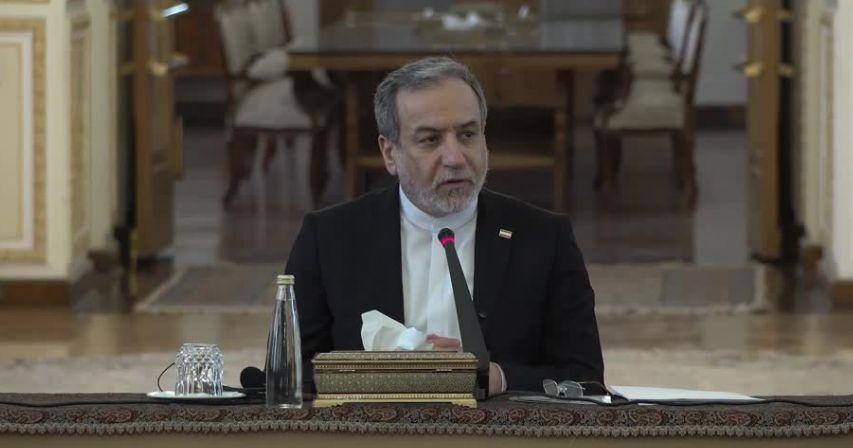
Iranian Foreign Minister Abbas Araghchi received US feedback through Qatari intermediaries regarding a seven-day trust-building proposal.
The main disagreements reportedly centre on the order in which the proposed measures should be implemented.
Strait Of Hormuz Remains A Key Issue
The Strait of Hormuz remains at the centre of diplomatic discussions because of its importance to international energy shipments.
Iran's proposal included measures that could potentially lead to the reopening of the waterway and a return to negotiations.
Earlier reports indicated that Tehran had linked the proposal to conditions involving US military measures, sanctions and Iranian assets.
The US president has publicly rejected the proposal, although diplomatic mediation efforts have continued.
No agreement on reopening the Strait of Hormuz had been reached as of Wednesday morning, according to the latest updates.
Oil Markets Watch US-Iran Developments
The continuing conflict and uncertainty surrounding the Strait of Hormuz are also affecting global energy markets.
Brent crude was trading above $103 per barrel on Wednesday, while US West Texas Intermediate crude was around $90 per barrel.
Stalled US-Iran discussions and tight fuel markets have contributed to upward pressure on oil prices.
For the UAE and other Gulf economies, developments involving regional energy routes are particularly significant because of their potential impact on oil markets, shipping and fuel costs.
Lebanon Also Remains Affected By Regional Tensions
The wider regional conflict is also affecting Lebanon. On Wednesday, the Lebanese army stated that an Israeli strike in southern Lebanon seriously wounded a soldier and injured three civilians.
The incident occurred as implementation of an earlier agreement involving the Israeli military's withdrawal from southern Lebanon and Hezbollah's disarmament remained stalled.
The developments highlight the continuing regional impact of the conflict, with Iraq, Lebanon and key transport routes remaining closely connected to the wider crisis.
By: Kriti Vaid



Comments