
UAE petrol prices jump by over 16%: Residents plan Dubai Metro trips, remote work
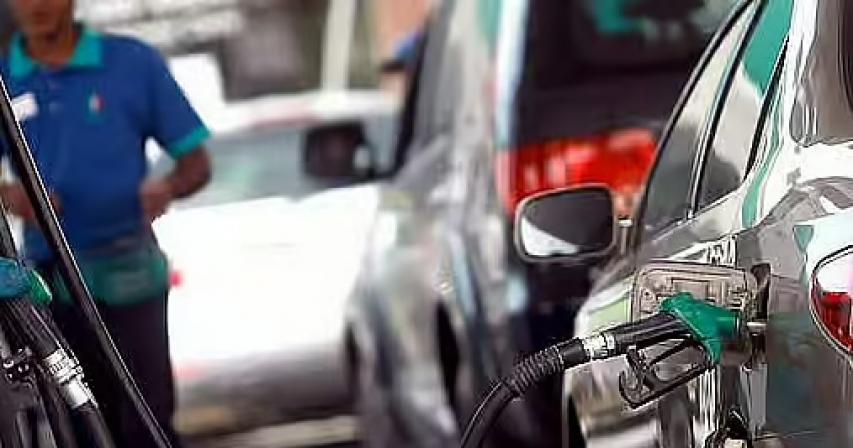
UAE residents are looking for ways to reduce their driving as petrol prices rise by more than 16 per cent in October.
While some motorists are preparing to increase their monthly fuel budgets, others are considering alternatives such as using public transport, working from home and planning client visits more efficiently.
Residents who depend on car lifts are also preparing for higher monthly travel costs as fuel prices increase.
Switching From Cars to the Metro
For some residents, public transport is becoming a more attractive option.
Alwin Pinto, who lives in Al Qusais and works in JLT, plans to leave his car at home and use the Dubai Metro for his daily commute.
Pinto currently spends around Dh700 to Dh800 a month on petrol. Since a regular-class, all-zone Nol pass costs Dh350 for 30 days, switching to the Metro could reduce his regular commuting expenses.
“The Metro station is right near my house, and my office is about a 10-minute walk from the station. The weather is good, so I would rather use the Metro for my office commute,” he said.
Although his Metro journey takes around an hour compared with 45 to 50 minutes by car, Pinto said the small difference in travel time made public transport a practical option.
Residents Consider Fewer Office Trips
Higher fuel expenses are also encouraging some employees to consider working from home.
Shabbir Ahmed, who lives in Ajman and works near Galadari Roundabout in Deira, currently drives to work five days a week. He spends more than Dh1,200 a month on petrol and expects that figure could rise above Dh1,500 if he continues commuting at the same frequency.
Ahmed plans to discuss a possible work-from-home arrangement with his employer to reduce the number of journeys to the office.
He said rising expenses would require more careful budgeting and could mean cutting back on other spending.
Grouping Client Visits to Reduce Driving
For sales professionals who need to travel regularly, avoiding driving altogether may not be possible. Instead, some are looking at ways to make their journeys more efficient.
Hameed S, a sales executive from Al Nahda in Sharjah, visits his clients four days a week and travels to his office in Business Bay once or twice a week.
He currently refuels his car approximately every three days. Although his company reimburses half of his fuel expenses, he expects to spend an additional Dh170 to Dh250 of his own money each month as fuel costs increase.
To reduce unnecessary travel, Hameed plans to group client appointments based on their locations. He also intends to schedule visits to clients near Metro stations on the same day so he can use public transport.
Public Transport and Flexible Work Gain Attention
The increase in petrol prices is prompting UAE residents to reconsider how they travel to work and meet clients.
From switching to the Metro and reducing office trips to grouping appointments by location, commuters are exploring different ways to manage their transportation expenses while keeping their daily routines practical.




Comments