
The Cost of Upgrading: Why UAE Shoppers Face a Dh400 Jump on New Smartphones
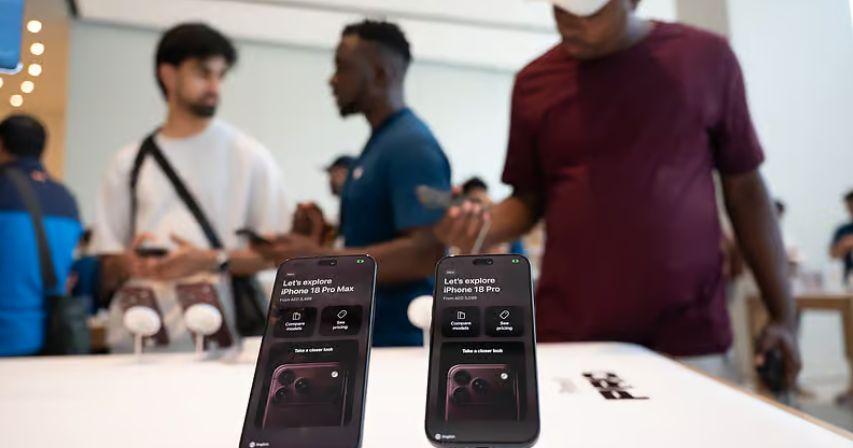
DUBAI — Technology fans and weekend shoppers across Dubai and Abu Dhabi discover a surprise on store displays: upgrading to the newest flagship handset now requires a premium of up to Dh400 over the previous model.
Major tech giants, including Apple, Samsung, and Google, have increased their retail launch prices this season.
While shoppers may wonder whether corporate markups or marketing campaigns are solely responsible, industry mechanics tell a different story: a quiet rise in core production costs is reshaping retail shelves worldwide.
The Core Driver: The Rising Price of Internal Hardware
Modern smartphones are processing engines built to handle intense computational loads, edge computing, and complex imaging suites.
However, the biggest driver behind this year’s price rise is the escalating cost of high-density RAM and cutting-edge storage silicon.
As global demand for memory spikes across data centers, server farms, and artificial intelligence infrastructure, component supply chains have tightened.
For smartphone makers, procuring the high-spec memory chips required for flagship handsets has grown substantially more expensive, leaving manufacturers to pass that bill down the retail pipeline.
Next-Generation Processors and Thermal Management
Memory is not the only element squeezing profit margins.
Cutting-edge 3-nanometer silicon architectures and upgraded cooling chambers require larger capital investments.
Pushing performance boundaries demands precision engineering that adds compounding expenses to the bill of materials before a unit even leaves the assembly floor.
The UAE Market Impact: How Consumers and Retailers Are Reacting
The UAE remains one of the world's most lucrative and eager consumer electronics hubs.
Flagship buyers in Dubai malls routinely queue for day-one access, often choosing higher-tier storage configurations right out of the gate.
Yet an extra Dh300 to Dh400 bump represents a noticeable barrier, encouraging buyers to rethink their purchase cycles.
Trade-Ins and Financing Take Center Stage
To counter price fatigue, major regional electronics retailers and telecom carriers have shifted their strategy toward trade-in bonuses, installment bundles, and device buy-back guarantees.
Rather than absorbing the full cost upfront, more consumers are choosing structured payment plans to soften the hit.
What Lies Ahead for Smartphone Buyers
Industry forecasts offer little room for short-term relief.
As on-device processing needs grow and supply-chain pressures persist, premium hardware costs are establishing a permanent high baseline.
For everyday consumers, this price calibration changes the upgrade equation: instead of trading up every 12 to 18 months, consumers are opting to keep high-performing devices for three or even four years before taking the next financial leap.




Comments