
Skipping Plastic Bags Brings Bigger Benefits Than You Think
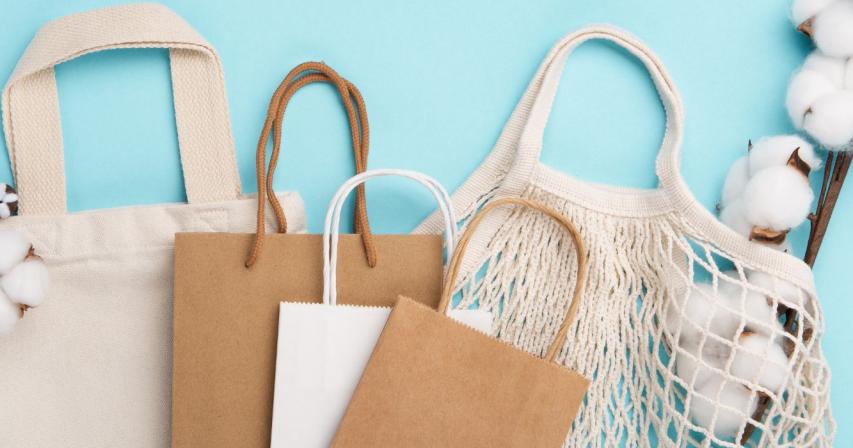
Most people know plastic bags harm the planet. Few realize how deep that harm actually runs. It touches climate, soil, water, and wildlife all at once. It also affects human health in ways many overlook. This article breaks down the real environmental benefits of saying no to plastic bags. It also shares practical tips grounded in real research, not guesswork.
Plastic Bags Carry A Hidden Climate Cost
Plastic bags start their life as fossil fuel products. Manufacturers extract oil and natural gas to create the plastic film. This extraction and processing releases greenhouse gases at every stage. Globally, plastic production accounts for about 4.5 percent of emissions. That figure rivals the aviation industry's total climate impact. Choosing reusable bags cuts this footprint significantly over time. One sturdy reusable bag can replace roughly five hundred plastic bags yearly.
How Reuse Numbers Actually Work
Not every reusable bag delivers instant environmental benefit. Cotton bags require heavy water and energy use to produce. Research shows cotton bags need about 131 uses to break even. After that point, they become genuinely better for the planet. Polypropylene bags reach net-positive impact much faster than cotton. Studies show a 89 percent emissions cut after 75 uses. The lesson is simple. Reusing any bag consistently matters more than the material alone.
Plastic Bags Damage Soil Health Over Time
Plastic bags rarely stay contained in landfills or bins. Wind carries lightweight bags into fields, rivers, and open land. Once buried, plastic bags block water and air from reaching soil. This disrupts the underground ecosystems that keep soil fertile. As bags break into microplastics, they mix directly into farmland. Studies have detected these particles inside fruits and vegetables. Reducing plastic bag waste protects the soil that grows our food.
Cleaner Water Systems Start With Fewer Bags
Plastic bags often end up in rivers, lakes, and drainage systems. Bangladesh's 2002 ban followed a flooding crisis caused by clogged drains. That event proved how plastic waste can worsen natural disasters. Fewer bags in waterways mean fewer blockages during heavy rains. It also means fewer chemicals leaching into groundwater supplies. Communities that reduce bag use often see cleaner local water sources.
Wildlife On Land And In Water Benefit Directly
Ocean animals face well-documented risks from plastic bags. Land animals face similar dangers that receive less attention. Livestock and wild animals sometimes ingest bags mistaken for food. This can cause fatal blockages in their digestive systems. Birds often use plastic fragments while building nests. This exposes chicks to toxins and physical hazards early in life. Cutting plastic bag use protects animals across every habitat, not just oceans.
Landfill Space And Community Costs Improve
Landfills already struggle with limited space in many regions. Plastic bags take up volume without breaking down for centuries. Reducing bag waste frees up landfill capacity for essential waste. It also lowers methane emissions linked to decomposing landfill layers. Communities spend less money managing litter and drainage blockages. These savings can redirect funding toward other environmental projects.
Human Health Benefits Are Often Overlooked
Microplastics from bags now appear in food, water, and even blood. Scientists continue studying their long-term effects on human health. Early research links microplastic exposure to hormonal and cellular changes. Reducing plastic bag waste lowers overall microplastic circulation. This protects not just ecosystems but human wellbeing too. Every avoided bag is one less source of long-term contamination.
Practical Awareness Tips That Actually Work
Awareness only creates change when paired with consistent action.
- Choose one durable bag material and commit to reusing it often.
- Track how many single-use bags you avoid each month.
- Share reuse statistics with friends to encourage similar habits.
- Support local policies that limit single-use plastic distribution.
- Choose bags made from recycled materials when buying new ones.
- Wash and repair reusable bags instead of replacing them quickly.
- Encourage local businesses to reward customers who skip bags.
Frequently Asked Questions
Q: Do reusable bags always help the environment more than plastic?
Yes, but only after enough reuses to offset their production impact.
Q: How many times should I reuse a cotton bag to see benefits?
Research suggests around 131 uses before a cotton bag becomes truly beneficial.
Q: Do plastic bags affect soil quality?
Yes, buried bags block air and water while releasing microplastics into farmland.
Q: Can reducing plastic bags help fight climate change?
Yes, since plastic production contributes roughly 4.5 percent of global emissions.
Q: Are land animals affected by plastic bags too?
Yes, livestock, wild animals, and birds all face risks from discarded plastic bags.





Comments