
Flights Suspended at Major US Airports After Fibre-Optic Cable Cut
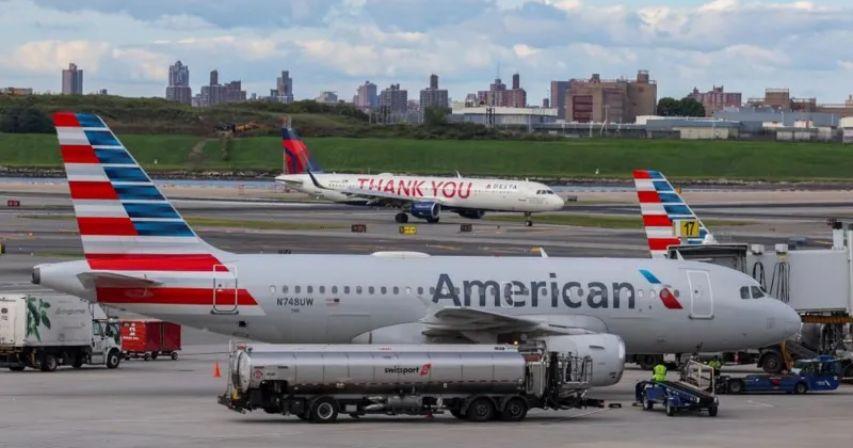
Flights were halted or severely restricted at several major airports across the northeastern United States after a communications failure and an accidentally severed fibre-optic cable disrupted critical air traffic control systems.
Air passengers across the US Northeast faced widespread disruption on Monday, September 21, 2026, as the Federal Aviation Administration (FAA) imposed ground stops and other restrictions at some of the region’s busiest airports.
The problems affected major hubs including Newark Liberty International Airport, John F. Kennedy International Airport, LaGuardia Airport and Philadelphia International Airport, while disruptions also reached Teterboro, Westchester County and Boston Logan airports.
Hundreds of flights were cancelled, while thousands more experienced delays as airlines and air traffic controllers dealt with the communications failure.
What Caused the Airport Disruption?
The disruption centred on an FAA air traffic control facility in Philadelphia.
According to officials, a primary communications circuit failed at the facility. When the system attempted to switch to its backup connection, officials discovered that the backup fibre-optic cable had already been accidentally severed during construction work in New Jersey.
The combination left controllers without their normal radar and communications capability, forcing the FAA to restrict aircraft movements while technicians worked to restore the systems.
The affected backup cable was a Verizon fibre line running through New Jersey.
Initial statements from US Transportation Secretary Sean Duffy attributed the damage to an Amtrak construction crew. However, subsequent information from NJ Transit said a construction crew working on its Delco Lead project between New Brunswick and North Brunswick had accidentally severed the cable.
New York and Philadelphia Airports Hit Hard
Newark Liberty International Airport and Philadelphia International Airport were among the locations most heavily affected.
Ground stops were also imposed at New York’s JFK and LaGuardia airports and at Teterboro Airport in New Jersey.
The disruption created knock-on effects across the wider US aviation network because aircraft and crews scheduled to travel through the Northeast were unable to operate normally.
More than 1,000 flights were cancelled nationwide and over 6,000 were delayed during Monday’s disruption, according to flight-tracking data reported by ABC News.
Boston Logan International Airport also experienced significant disruption, with hundreds of delays and dozens of cancellations reported during the day.
Telecommunications Lines Repaired
By Monday evening, Transportation Secretary Sean Duffy said the damaged telecommunications connections had been repaired and airport operations across the Northeast were beginning to resume.
The FAA warned, however, that passengers could continue experiencing delays while airlines worked through the backlog created by hours of restricted operations.
Travellers were advised to check directly with their airlines before travelling to the airport.
Incident Highlights Air Traffic Infrastructure Concerns
FAA Administrator Bryan Bedford said the incident highlighted the importance of upgrading the United States’ air traffic control infrastructure.
The primary circuit involved in the incident was already scheduled to be replaced as part of a broader modernisation of the US air traffic control system.
A single telecommunications failure can have wide-reaching consequences because major airports and airline networks are closely interconnected. When flights at major hubs such as Newark, JFK or Philadelphia are stopped, aircraft may be diverted and later flights can lose their scheduled aircraft or crews.
The September 21 disruption demonstrates how failures involving both primary and backup communication links can rapidly affect air travel across one of the busiest aviation regions in the United States.
With the telecommunications lines repaired, normal airport operations have resumed, but the incident is likely to renew attention on the resilience and modernisation of critical US air traffic control infrastructure.
By: Simran



Comments