
Ramadan 2026: Rules, etiquette to follow in UAE
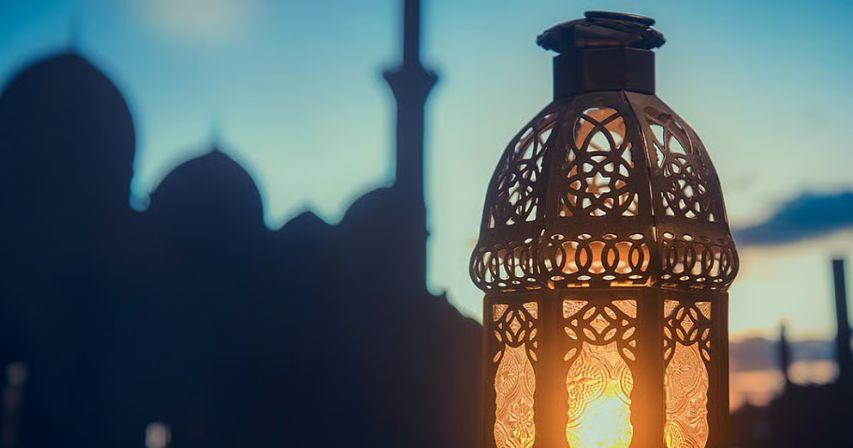
Amidst all the anticipation and excitement as Ramadan approaches (expected to start on February 19), there are a few things you should keep in mind, especially since day-to-day life, working hours and social habits change throughout the UAE during the holy month.
Understanding Ramadan
Ramadan is the holiest month of the Islamic calendar, a period when physically able Muslims abstain from eating and drinking water, and focus on worshipping Allah much more than they do in other months by reading the Quran, giving to charity, remembrances of God and additional prayers — plus fasting, one of the five pillars of Islam.
In the UAE, life changes and the whole country feels it, regardless of what religion you may belong to.
Eating in public
Whilst abaya and scarf are familiar cultural dress codes, no city banned the eating of food in public however residents have been reminded to respect those fasting by not openly eating, drinking or chewing gum in front of them.
Most restaurants, cafes and food courts tend to stay open, catering for people who are not fasting. Some places offer such areas.
The UAE’s official government portal states that non-Muslims can find bare-bones dining options during the day, with many places operating at reduced hours and restaurants opening only for Iftar.
Visit Dubai also states that a lot of restaurants operate all day in order to meet the needs of non-fasting residents and visitors.
Some restaurants remain open in the early morning to serve Suhoor, or the pre-dawn meal.
Shopping centres
Supermarkets and food shops are usually open during standard hours, and in some cases malls remain open later into the evening.
Greetings
The primary welcoming message for Muslims is that of “Ramadan Kareem” or “Ramadan Mubarak”, which simply means blessed Ramadan. Such greetings are routinely exchanged during this month; among friends, co-workers and even strangers. It is polite and kind to use either greeting, as you never know when your coworker or neighbor, or local restaurant server is a Muslim fasting during Ramadan.
Words and salutations
In Ramadan, Muslims not only halt what goes into their mouths (during daylight hours), they are also much more aware of what comes out. This is why Muslims try their best not to use bad language, backbiting or slandering others. If you’re not fasting, remember to watch your language around a Muslim friend or colleague to prevent any embarrassment or offence.
Dressing in public spaces
It's also worth noting that there is no dress code enforced during Ramadan; but people should be aware of how they're dressing at malls, parks, restaurants and elsewhere out in public. Wearing conservative clothing – covering arms and legs – is usually recommended in the holy month.
For both men and women, it's a sign of respect. Being mindful of dressing in public areas is a sign of realising the importance of the cultural and religious values associated with Ramadan in this country.
Setting early meetings
It is also important for UAE employers to avoid scheduling meetings or deadlines around the time of Iftar, as it's a time for family and friends gathering and Muslims will prefer to sit down with their family.
It is also a time of increased spirituality for some Muslims, who will spend it reading the Quran or uttering remembrances of God (dhikr).
And employers should remember that soon after Iftar, there are the Taraweeh prayers, a voluntary but very beneficial act of worship which usually consumes quite some time, how much time it takes will depend on how many raka’ahs one ends up praying. Taraweeh prayers are at least eight raka’at (a unit of prayer), however, mosque in the UAE may differ on figures.
Gifting
Totally optional, but you’d make their week! The gifts can range from dates, a traditional breaking-of-the-fast staple, to other small snacks or dishes.
Among Muslims too, the practice of sending food or sharing meals is a popular tradition.
Be flexible
Finally, the holy month for many Muslims is an opportunity to spend quality time with family, slow down and meditate. The hours can be shorter and energy slumps are inevitable, with evenings filled not only by Iftar meals, but prayers too. Your patience, flexibility, and understanding are encouraged at this time.
Fasting or not, it pays to put some thought into things. That is what Ramadan is about: Appreciate and respect, adhere to cultural norms. Respect each other, spread love and kindness.



Comments