
Chicken nuggets to fries: List of Abu Dhabi school food ban
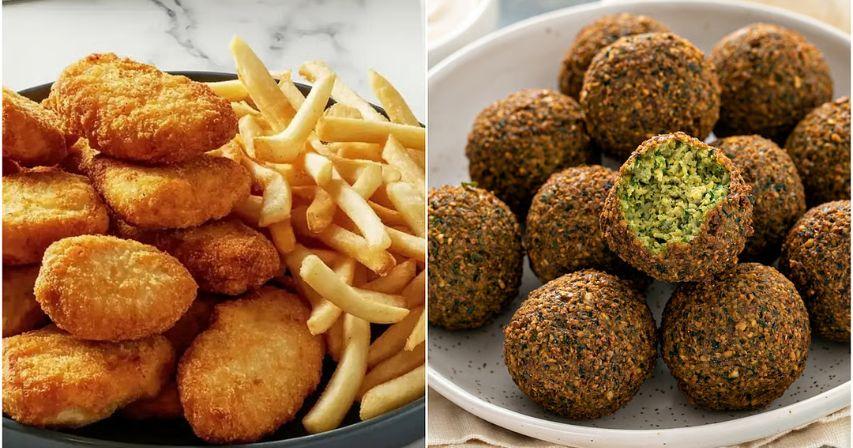
Sugary drinks, high-fat and high-sugar foods, processed lunches, additives, and some dairy and soy products are banned from school lunch boxes in advice posted by the education authority of Abu Dhabi. The authority has released updated recommendations on healthy eating and a list of foods and beverages that may not be brought into the school.
Nurseries in the UAE Capital have also been directed to introduce a comprehensive food and nutrition policy by Adek (Department of Education and Knowledge) that ensure parents are involved in decisions around their children’s eating practices.
The policy clearly defines a list of prohibited foods in Abu Dhabi schools, whether served by the school canteen or brought from home. The new guidance is designed to minimize health hazards, promote healthy development and maintain uniformity between meals from centres, food brought into the facility from home and items shared during celebrations.
Prohibited food, drinks in schools
It is the responsibility of schools to indicate the list of banned foods and drinks and ensure that everyone is aware of it. They must also have monitoring and enforcement in place on a routine basis. Among the items institutions are required to ban as part of their policy include at least:
Sugar-sweetened drinks
Fruit juices made from syrups
Soft drinks
Energy and Sports drinks (including isotonic sports drinks)
Caffeinated drinks
Hot or iced coffee
Hot or iced tea
Foods with added sugars
Candy, sweet, marshmallow, caramel, cotton candy (also known as fairy floss), lollipop and jelly/jellies or gum/gums.
Chocolates (except dark chocolate)
Processed frozen treats such as ice cream, slushies, etc.
Flavoured or sweetened milk and yogurt.
Foods excessively high in salt (sodium)
Fried recipes like fried chicken, nuggets or poppers; falafel and samosas
Fried potato, corn-based snacks Such as: puffed corn balls and chips, sticks of potato etc.
Verywell / Alexandra Shytsman Processed Meats Such as hotdogs, deli meats, and sausages
Pickled vegetables
Ultra-processed foods
Anything containing artificial sweeteners, preservatives, fake colours and fake flavours made of chemicals
Foods containing added monosodium glutamate (MSG)
Foodstuffs that contain the following food additives (1) Sunset yellow colouring (E110), Quinoline yellow colouring (E104), Carmoisine colouring (E122), Allura red colouring (E129), Tartrazine and Ponceau 4R.
Sauces, including mayonnaise or liquid and dried chili sauces; ketchup (unless low-sodium and/or reduced-sugar); ready-made sauces such as ranch, jalapeno and Italian sauce etc.
Other prohibited items
Pork products / foods that use pork-derived
Food and drink containing alcohol (ethanol) or its metabolites
Foods containing hydrogenated fats
Honey in infants younger than 12 months of age
Unpasteurised food or drinks
Soy Milk and Soy or its Derivatives in Sauces
Nuts
Hazardous foods that are choking risks
Monitoring and enforcement
EEIs, Adek said, should keep track on site that rules are being obeyed; a staff member who will be notified next of kin, such as the nurse or health and safety officer, should perform regular inspections to see that kids aren't getting products served at lunch or brought in from home. In addition, institutions should have a mechanism to document violations and describe remedial actions, particularly when a failure to comply is recurring.
In codifying these barriers and enforcement mechanisms, early education providers are seeking to implement safer, healthier environments for children from the very beginning of their lives in care.
Dietary requirements of children
As part of the policy, early education schools must adhere to regulations on food and nutrition for which there are clear rules applicable to children of different ages. Any food that is served at special occasions must be clean, safe, wholesome and comply with all health regulations. Food is not meant to be a punishment or reward for kids.
Food or water should be given only on the advice of a paediatrician to babies younger than six months. Older infants should not have solid food and water until a doctor says it’s safe.
For children 2 years or older, the age-specific nutrition recommendations for healthy growth should be implemented through EEIs. Follow-up of children must include monitoring their growth by measuring their height and weight.
Bottle-feeding for infants
Follow the correct steps for bottle-feeding, encourage breastfeeding by creating a facilitating environment and giving guidance as needed; always supervise children closely during meal times.
EEIs should also offer utensils, furniture and equipment that is the appropriate size and design for each age group to enable children to eat safely and in comfort.
In the event of failure to adhere with this policy, the Emirate Early Education Institution (EEI) shall be liable for criminal and punitive actions as stipulated in ADEK’s Bylaws. This is without prejudice to the application of the penalty pursuant to Federal Decree Law No. (31) of 2021 or any other relevant legislation.
Adek also has the power to intervene and act if an EEI is believed to be derelict in its duties.



Comments