
Dubai Expat to Get Microchip Implant for Keyless Future
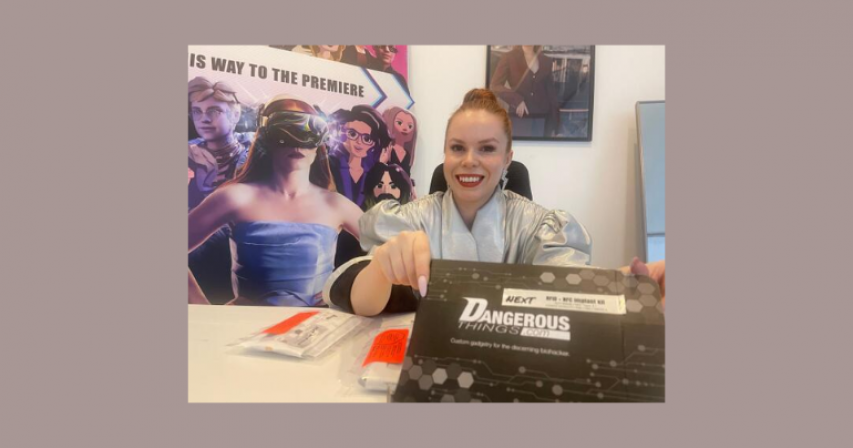
Briar Prestidge, a New Zealand expat in Dubai, is ditching traditional keys for a microchip implant. The CEO and founder of the Prestidge Group aims to unlock doors and cars with a wave of her hand. This innovative move signals a shift towards embracing technology for convenience and automation.
Prestidge's decision to undergo the procedure reflects a broader trend towards integrating technology into daily life. By implanting a tiny RFID electronic tag in her hand, she envisions a future where mundane tasks like unlocking doors become seamless and effortless.
The microchip, about the size of a grain of rice, will be inserted into the fleshy part of Prestidge's hand using a syringe. Once implanted, it will allow her to unlock her car, home, or gym with a simple wave of her hand. This futuristic approach not only enhances convenience but also sparks curiosity and inspires innovation.
Prestidge's collaboration with a smart home management consultancy in Dubai underscores the potential for fully automated living. With the chip implanted, she plans to streamline her daily routines, demonstrating the practical applications of technology in improving quality of life.
While Prestidge acknowledges feeling a bit apprehensive about the procedure, she eagerly anticipates exploring the possibilities it presents. Beyond mere convenience, she sees the microchip as a symbol of progress and a catalyst for future advancements.
Although the current chip won't enable payment capabilities, Prestidge looks forward to future iterations that do. These payment-enabled chips promise to revolutionize transactions by eliminating the need for physical wallets or smartphones.
Microchip implantation in humans has evolved from a novelty to a mainstream option in recent years. Over 50,000 individuals worldwide have already opted for subdermal chip placements, with applications ranging from access control to financial transactions.
In Germany and Sweden, thousands have embraced this technology, highlighting its diverse uses and growing acceptance. From accessing buildings and purchasing goods to storing important information like wills, these implants offer a glimpse into a tech-driven future.
Prestidge's decision to embrace microchip technology exemplifies a broader cultural shift towards integrating humans and technology. As society continues to embrace automation and connectivity, innovations like microchip implants offer new ways to enhance convenience and efficiency in daily life.
By: Sahiba Suri




Comments