
UAE plans 4th national highway under Dh170-billion project to tackle rising traffic
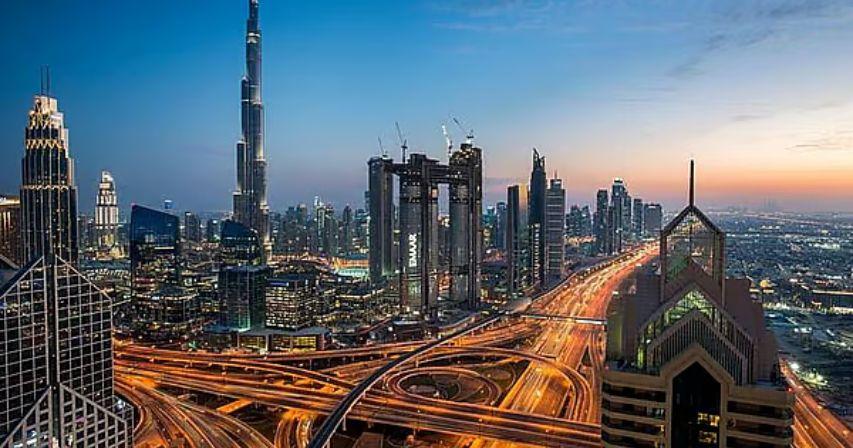
Plans are under study to build a new 120km, 12-lane federal highway capable of handling up to 360,000 daily trips as part of a Dh170 billion national roads and transport investment programme that was announced on Wednesday.
The package of roads, which is planned to be completed by 2030, was detailed in comments made by Minister of Energy and Infrastructure Suhail Al Mazrouei at the UAE Government Annual Meetings in Abu Dhabi.
The proposed new corridor, which will be the country’s fourth pan-emirate highway if it goes ahead, will supplement three existing major federal roads – the E11 (Al Ittihad), E311 (Sheikh Mohammed bin Zayed) and E611 (Emirates Road) – that cater to more than 850,000 vehicles travelling between Dubai and the Northern Emirates every day.
The new highway forms part of a major network of upgrades to the three federal roads, which are being widened to relieve pressure on congested highways and accommodate the UAE’s population and economic growth. “Efficiency” on the federal roads network will be increased by 73 per cent over the next five years, according to Al Mazrouei, with the number of lanes being expanded from 19 to 33 in each direction under the multi-billion-dirham plan.
Etihad Road will be widened by six lanes, three in each direction, adding 60 per cent to capacity with a total of 12 lanes. Emirates Road will be widened to 10 lanes across its entire length, a 65 per cent increase that will reduce journey times by 45 per cent.
The Sheikh Mohammed bin Zayed Road will be expanded to 10 lanes, an increase in capacity of 45 per cent. Work on the Emirates Road upgrade is already underway, with an estimated cost of Dh750 million and completion expected within two years.
Traffic on federal routes between Dubai and the Northern Emirates has long been an area of concern for commuters. Last year, Federal National Council member Dr Adnan Hamad Al Hammadi urged the minister to look at building new corridors to relieve pressure on bottlenecks as he said the highways suffer from “severe traffic jams, especially during peak hours,” which “cost employees 20 hours per week, 80 hours per month, and 1,000 hours annually”.
Al Mazrouei added that the ministry was studying measures to improve inter-emirate highways that already exist as well as plans to build new roads at the federal and local levels. “These efforts come in implementation of the leadership’s directives to develop a smart, flexible, and sustainable infrastructure that enhances the flow of traffic, supports comprehensive development, and improves the quality of life in line with the UAE Centennial 2071 plan"




Comments