
UAE Petrol Prices: March Rise on US-Iran Oil Tensions?
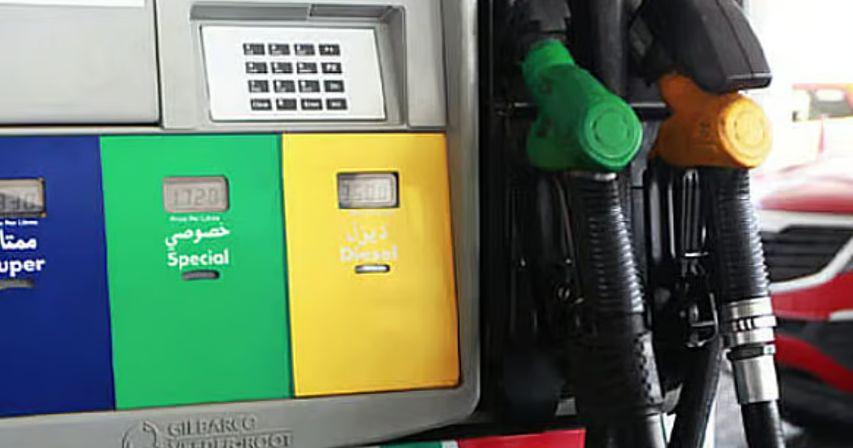
Alerts to new geopolitical tensions US and Iran Prompts rise in global prices, which contributes to the possibility of increasing cost of petrol in March 2026 year.
Brent crude rose above $71 per barrel of oil as fears of military efforts between the US and Iran caused international prices to surge in February.
Some analysts pointed out that if geopolitical tensions between the US and Iran continue to rise this could cause oil prices to be pushed above $100 a barrel.
Brent and WTI were at $66.31 and $71.38 a barrel, respectively, on Tuesday evening. Brent’s average closing price was $68.9 barrel in February, badly compare to last month’s $63.47.
The UAE decreased petrol prices by approximately 8 or 9 fils a litre in February, with Super 98, Special 95 and E-Plus priced at Dh2. 45, Dh2. 33 and Dh2. 26 per litre, respectively.
Norbert Rücker, head of economics and next generation research at Julius Baer, said the oil market is dominated by conflict between the US and Iran, with prices now "bloated" on a healthy geopolitical risk premium.
“A military confrontation is hard to avoid, but that does not need to translate into an oil supply disruption, with the experience of years past repeating itself on more than one occasion.” More importantly, the oil market today is extremely resilient to supply,” he said.
“Although we do not know whether this latest bounce will peak in the high $70s or high $80s, we have more conviction that a risk premium will evaporate and oil prices return below $60 by midyear.” “Our Neutral view persists amid today’s geopolitics,” said the head of economics at Julius Baer.
Recent threats by Iran to close down the Strait of Hormuz saw the price of insurance premiums for ships transiting that narrow waterway rise, amid fears any damage done could threaten oil supply.
“Oil markets have also remained in the spotlight amid escalating tensions in the Middle East. Brent crude has traded above the $70 mark, buoyed by heightened geopolitical risk. Iran’s geographic location close to the Strait of Hormuz — where about 20 per cent of global oil supply travels through each day — means that any disruption can have considerable impacts,” said Daniela Hathorn, senior market analyst at Capital.com.


Comments