
UAE faces up to 700,000 cyberattacks a day amid regional tensions
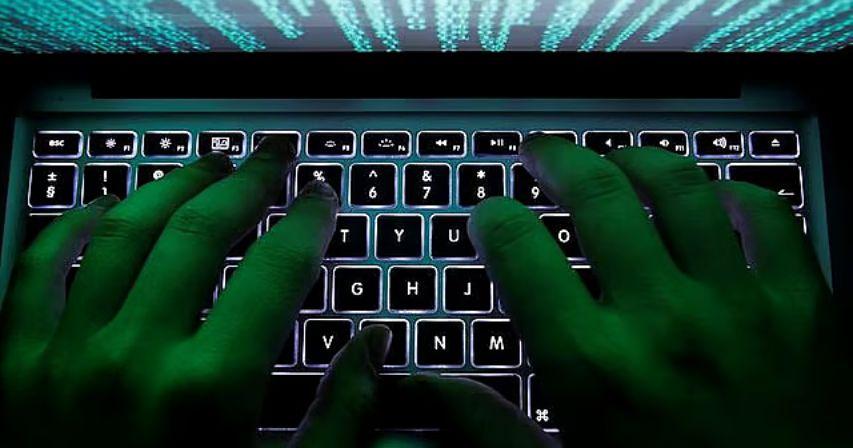
Dubai: Cyberattack incidents in the UAE have sharply increased since recent escalated tensions in the region, with artificial intelligence tools being progressively adopted to make them more sophisticated, head of the country’s Cyber Security Council said.
Dr Mohammed Al Kuwaiti, Chairman of the UAE Cyber Security Council, also stated that malicious advanced actors like Iran have leveraged artificial intelligence tools including ChatGPT and other platforms to assist in cyber operations covering everything from reconnaissance and vulnerability scanning to aggression through phishing campaigns or generating malicious software.
Speaking about UAE cyber issues, Al Kuwaiti noted that the UAE is subjected to between 500,000 and 700.000 cyberattacks daily, particularly targeting strategic sectors of the country adding that national cyber defence systems in the country were able to detect and proactively contain most of those threats. — According to Emarat Al Youm
Artificial intelligence now plays a central role in modern cyber warfare, rather than simply being a supporting tool, he said. It allows attackers to carry out faster, more convincing and cheaper operations — involving deepfake technology and disinformation campaigns.
The UAE has reinforced its defensive posture through an integrated and national framework with a focus on monitoring, analysis, rapid response and ongoing readiness, Al Kuwaiti said.
These measures include the use of a zero-trust security model, activation of the National Cyber Security Operations Centre, deployment of advanced threat intelligence systems and nationwide cyber crisis simulation exercises.
He also said authorities held back-to-back security alerts with government entities and critical sectors in real time to minimize response time and ensure continuity of service.
Al Kuwaiti assured that, despite the rising volume and complexity of cyberattacks, the proactive approach adopted by the country guarantees protection of critical infrastructure and vital services.
He also encouraged members of the public to stay alert, saying people themselves are the first line of defence. He urged residents not to click on unrecognized links, don’t provide passwords or verification codes and set up multi-factor authentication as well as routinely updating their systems and steer clear of unsecured public Wi-Fi networks.
Al Kuwaiti also urged the public to depend on official agencies for information, saying people should avoid re-posting content that has not been verified, especially during periods of heightened tensions, and that misinformation and manipulated media are increasingly becoming weapons as part of cyber and information warfare.
“In tense times, your awareness should act faster than a phishing attempt, be calmer than a rumour and more nuanced than fake news,” he said.


Comments